
When fuel prices start climbing fast, carriers feel it almost immediately. A load that looked fine last week can suddenly feel a lot less comfortable. Margins tighten, cash flow gets squeezed, and every empty kilometer starts to matter more than it did before.
Are we still making money on this load, or are we just moving trucks?
That is the question sitting underneath a lot of dispatch boards, pricing calls, and customer conversations across Europe right now.
If this pressure feels heavy, you are not overreacting. The concern is real. Rising fuel costs do not just affect one expense line. They put pressure on the whole operation. Pricing starts lagging behind reality. Empty kilometers become more painful. Delays hurt more. Cash leaves the business faster than rates adjust.
This article looks at why fuel is suddenly back at the center of so many carriers’ worries, what operators are most anxious about right now, and how the impact differs depending on the type of transport work they do.
The goal is simple: to help make sense of what is happening, why it feels so immediate, and why some carriers feel the pressure harder than others.
This is Part 1 of the “Navigating the rising fuel cost: Guide for EU carriers” series. Read Part 2 and 3 below:
Why fuel is suddenly back at the center of every carrier’s worries
Fuel has always mattered in road transport, but what has changed is the speed and unpredictability of the latest move. In March 2026, IRU said attacks on critical energy infrastructure had pushed global oil and fuel prices sharply higher, with the weighted average EU-27 diesel price reaching €2.12 per litre on 26 March 2026, up 29%. The European Commission’s Weekly Oil Bulletin also shows how closely the market is now being watched week by week, which tells you something on its own: this is no longer a background cost issue. It is back at the front of operational decision-making.
What makes this especially difficult for carriers is that the real problem is not only high fuel, but fuel volatility. Carriers can plan around a known cost base. What is much harder to manage is a market where fuel moves quickly while customer pricing, surcharge logic, and internal planning rules stay frozen. That gap is where the pain starts. A lane priced a few weeks ago can suddenly stop behaving like the same lane. The load may still be moving, the truck may still be full, but the economics underneath it have changed.
This is also why carriers feel the shock before customers do. Fuel is bought now. The extra cash leaves the business immediately. Customer rates, on the other hand, often move later, especially on contract work, fixed-price agreements, or accounts where surcharge reviews happen monthly instead of weekly. The Q4 2025 European Road Freight Rate Benchmark already showed a market where contract and spot pricing were not moving in the same way, which matters here: when cost changes hit faster than commercial updates, the carrier becomes the buffer. That is manageable for a short time. It becomes dangerous when volatility stays elevated.
That lag creates an immediate cash-flow problem, not just a margin problem. Fuel is one of the biggest cost lines in road transport, and it represents about one third of operating costs for road freight operators. At the same time, many operators are working on margins of around 2% to 3%. That leaves almost no room to absorb a sudden spike, especially when other costs are already under pressure.
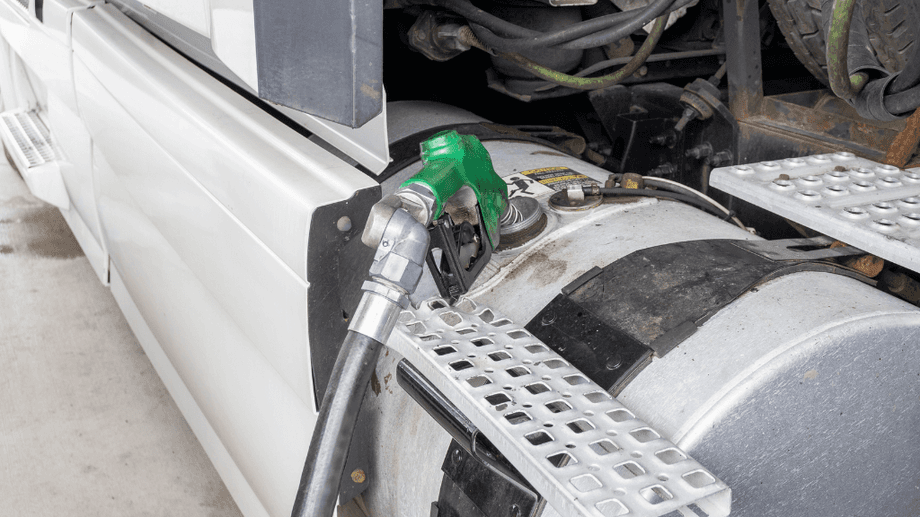
This is where the risk becomes more severe for SMEs than for large groups. Over 90% of operators are SMEs, many with razor-thin margins. Bigger companies may have more purchasing leverage, more diversified customer portfolios, stronger cash reserves, and more room to spread risk across lanes, geographies, and business units. Smaller carriers usually do not. They feel the rate lag faster, they have less working-capital cushion, and one badly priced customer relationship can do disproportionate damage.
That is why fuel is back at the center of every carrier’s worries. Not because operators are being dramatic, but because fast-moving fuel costs expose every weak point in the business at once: pricing logic, customer agreements, planning discipline, empty kilometers, invoicing speed, and cash control.
When fuel moves this quickly, the carriers with the clearest processes usually cope best. The ones relying on slow manual adjustments, vague surcharge rules, or gut feel are the ones who feel the pressure first.
Why rising fuel costs hurt carriers faster than most customers realize
Fuel is one of the biggest cost lines in road transport. While many carriers are still working on margins of just 1% to 3%, this means there is very little room to absorb a sudden price jump.
The pain is worse when transport rates were agreed before the spike. Fuel is paid today, but customer prices often adjust later. If contract rates or surcharge reviews lag behind, the carrier becomes the buffer between the market and the customer. In a market where contract and spot dynamics are already uneven, that lag can turn a normal load into a weak one very quickly.
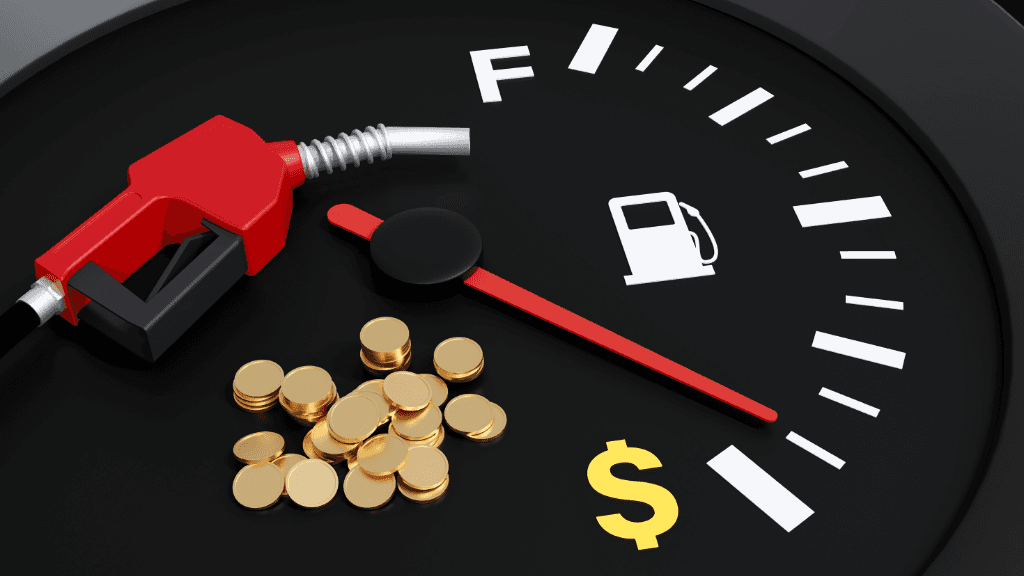
Empty kilometers also become more expensive immediately. A repositioning move, a missed backhaul, or a poorly planned detour may have felt tolerable before. When diesel jumps, those same kilometers start eating margin much faster. The truck is moving, but the business is leaking money.
That is the key difference between activity and profitability. A fleet can look busy on the board and still be underperforming financially. More loads do not automatically mean more profit. If pricing is stale, surcharge logic is weak, or empty km are creeping up, more work can actually make the problem worse by scaling unprofitable activity.
What carriers are most worried about right now
In our discussions with operators, the recurring concerns are very practical: pricing that lags reality, deadhead that suddenly hurts more, and the fear of staying busy while margin quietly disappears. Here are a few that we hear the most:
“We agreed the rate, but fuel moved.”
This is the first pain point. The job was priced on one cost base, but the fuel bill is being paid on another. In a market where prices still do not fully reflect rising costs and demand remains uneven, that gap lands on the carrier first.
“The fuel surcharge doesn’t update fast enough.”
Carriers are worried less about the idea of a surcharge and more about timing. The safer setups are the ones with clear accessorials and weekly fuel updates. The dangerous ones are fixed prices or review cycles that move too slowly for a fast diesel market.
“Empty kilometers are killing the margin.”
When fuel rises quickly, deadhead, idling, and inefficient routing stop being background waste and start becoming visible profit leaks. Operators are openly discussing how cost per mile changes with truck setup, driving style, idling, and deadheading, which is another way of saying that weak planning gets punished faster in a fuel spike.
“We’re working, but we’re not earning.”
This is the most uncomfortable one. Freight can still be moving, trucks can still be loaded, and the board can still look healthy, while the economics underneath are weak. In discussions between brokers and carriers, one theme comes up repeatedly: the market does not automatically care what diesel costs, only whether someone is still willing to move the load at the quoted rate.
“Do we keep the customer happy or protect the business?”
Carriers do not want to shock customers with random price jumps, but they also cannot afford to absorb every spike. The tension is between asking for a fuel adjustment that is credible and defendable, versus overreaching and damaging the relationship. Our simple advice here is: know the real extra cost per mile, separate it from the linehaul, and price from numbers, not panic.
Underneath all of this is one bigger fear: not that fuel is expensive, but that volatility exposes weak pricing rules, weak planning discipline, and slow commercial reactions faster than many carriers can comfortably handle.
How the impact of rising fuel cost differs by carrier type
Fuel pressure is not distributed evenly. The same cost increase creates different problems depending on how the carrier works, how pricing is agreed, and where time gets lost in the operation.
Container hauliers

Container work can become unprofitable very quickly because many jobs are short and margin is often decided by time, not just distance. Port waiting time, terminal congestion, repositioning moves, and empty returns all matter. A one-hour delay on a short container job can do more damage than a longer delay on a long-haul lane because there is less revenue to absorb it.
This is especially relevant in small teams with high-volume operations. In that kind of setup, fuel volatility is only part of the problem. The bigger risk is when waiting, re-planning, and empty movement start stacking on top of each other. Then even a busy day can become a weak-margin day very fast.
General FTL and international carriers

For FTL and international carriers, the problem is usually exposure over distance. A fuel increase hurts more when the truck is covering long kilometers under rates agreed before the spike. The longer the route, the larger the direct fuel impact. If the contract rate or surcharge logic is slow to adjust, the gap gets expensive quickly.
Cross-border work adds another layer. Fuel prices, tolls, driver costs, and customer expectations do not move in perfect sync across countries. Backhaul risk also becomes more dangerous. A weak return leg or empty return is not just inefficient, it can wipe out the economics of the whole round trip.
LTL and multi-drop distribution fleets
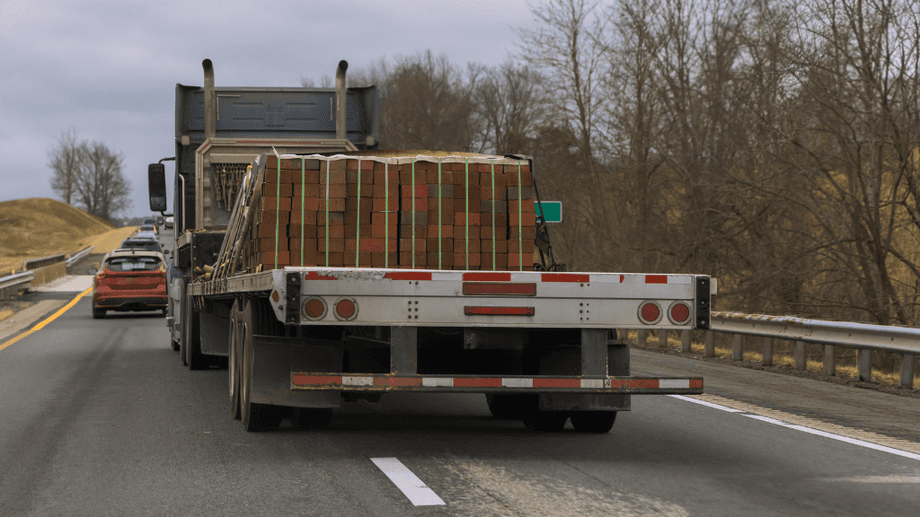
For LTL and multi-drop fleets, the problem is not only distance but density. More stops, urban congestion, idling, missed time windows, and small route inefficiencies compound fuel burn throughout the day. The truck may not be driving especially far, but it may be burning margin in traffic, at the curb, and between badly sequenced stops.
This is where route discipline matters most. In multi-drop work, fuel pressure exposes weak planning very quickly. A route that was “good enough” when fuel was calmer can become expensive when every unnecessary detour and every extra minute of idling starts to count harder.
Waste, recycling, ADR, and specialist carriers
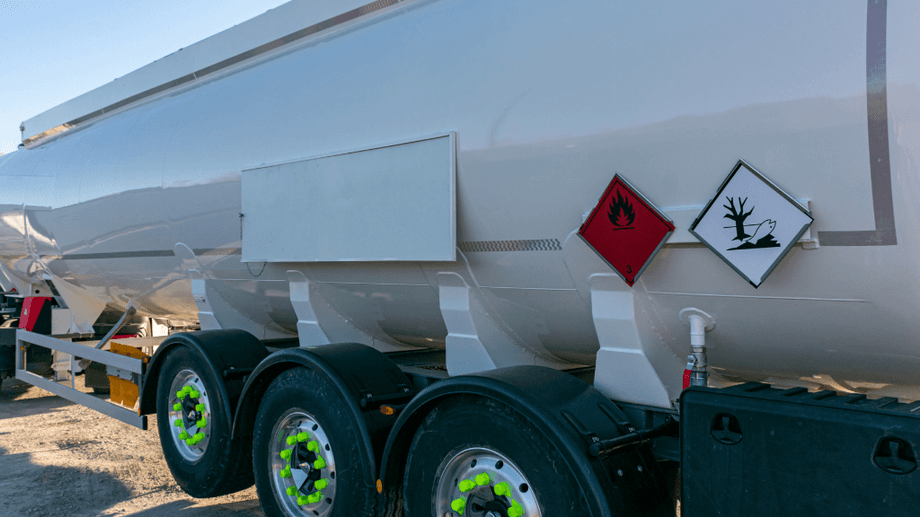
Specialist carriers often have more pricing power than general hauliers. In some cases, they also have stronger contractual protection around surcharges because the service is harder to replace and the compliance burden is higher. That helps.
But specialist work is not protected from operational waste. Waiting time, site queues, restricted delivery windows, and route inefficiency still hurt. In waste and recycling especially, margin can disappear in the gaps between jobs, not only during the jobs themselves. In ADR and other specialist transport, the carrier may be able to charge more, but the cost of getting planning wrong is also higher.
Bulk and materials hauliers

Bulk and materials carriers often run short, repetitive routes where queueing and loading delays matter as much as fuel price itself. These operations are also more weight-sensitive, which means fuel consumption is naturally higher. When fuel cost rises, the cost impact is immediate.
There is also usually strong customer pressure on price in commodity-linked sectors. If the customer is selling gravel, grain, woodchips, or waste services into a price-sensitive market, they may resist transport increases even when the carrier’s cost base has clearly shifted. That makes surcharge discipline and planning control especially important.
Carriers using subcontractors or owner-operators

For carriers that rely on subcontractors or owner-operators, fuel volatility creates a commercial squeeze in the middle. The customer expects stability. The subcontractor expects compensation. The carrier sits between the two.
This makes repricing slower and more fragmented. It also creates more room for disputes about who is absorbing the fuel increase and on what logic. In these models, margin control becomes harder because the problem is not only your own fleet economics. It is also whether your subcontractor network is still willing to run the work at the agreed level. When fuel moves fast, fragmented pricing structures become a real weakness.
To sum it up…
Fuel volatility is outside the carrier’s control. But the pressure it creates is very real, and it does not hit every carrier in the same way. For some, the biggest risk is long-distance exposure. For others, it is terminal waiting time, empty kilometers, weak backhauls, or pricing that no longer reflects the real cost of the work. That is why rising fuel costs matter so much right now. They expose weak spots fast and make small operational inefficiencies feel much bigger.
The goal is not to predict fuel perfectly. It is to understand where the pressure is landing in your business before it starts quietly damaging margin, cash flow, and decision-making.
The carriers who handle this period best will usually be the ones who see the impact clearly, respond early, and stop treating fuel as just a cost line instead of an operational risk.
Frequently asked questions
Why are rising fuel costs hitting carriers so hard in 2026?
Rising fuel costs hit carriers hard because fuel is one of the biggest cost lines in road transport, while margins are often already thin. When diesel moves quickly, carriers feel the cost immediately, but customer pricing, surcharge reviews, and contract updates often lag behind. That gap creates pressure on margin, cash flow, and daily planning.
Why do carriers feel fuel price increases before customers do?
Carriers pay for fuel in real time, but customer prices are often agreed earlier and updated later. That means the extra cost leaves the carrier’s business now, while commercial recovery happens later. If there is no clear fuel surcharge or diesel clause in place, the carrier becomes the buffer between market volatility and the customer.
What is the biggest mistake carriers make when fuel prices rise?
One of the biggest mistakes is keeping everything inside one all-in transport rate. That makes fuel risk invisible and harder to manage. Other common mistakes include waiting too long to talk to customers, updating fuel surcharges too slowly, relying on spreadsheets, and focusing on turnover instead of lane profitability.
Should carriers use a fuel surcharge or diesel clause?
Yes. A fuel surcharge or diesel clause helps separate the base transport price from fuel risk. This makes pricing clearer, easier to explain to customers, and easier to update when diesel moves. The best setup is to agree the base diesel price, the reference source, the update frequency, and whether the adjustment can move both up and down.
How often should fuel surcharges be reviewed in a volatile market?
That depends on the type of work, but in a volatile market many carriers need faster review cycles than usual. Monthly may be too slow for exposed lanes or non-contracted work. Weekly or biweekly updates are often more realistic when diesel is moving quickly and the carrier needs pricing to reflect current cost reality more accurately.
How can carriers explain fuel surcharges to customers without damaging trust?
The best approach is to avoid emotional negotiation and show a clear formula instead. Keep the base transport rate separate from the fuel variable, use a public or agreed reference point, explain how often the surcharge will be reviewed, and make sure the invoice reflects what was agreed in advance. Customers are more likely to accept a structured rule than a vague price increase.
Why are empty kilometers more dangerous when fuel costs rise?
When fuel prices rise, deadhead, repositioning, unnecessary detours, and weak backhauls start damaging margin much faster. Empty kilometers that once felt tolerable can become real profit leaks. This is why carriers need better planning visibility and need to separate necessary empty movement from avoidable waste.
Can a busy fleet still lose money when fuel prices increase?
Yes. A busy fleet is not always a profitable fleet. If pricing is stale, empty kilometers are increasing, route discipline is weak, or surcharge logic is outdated, more loads can actually make the problem worse. Activity and profitability are not the same thing, especially in a fast-moving fuel market.
How can software help carriers manage fuel volatility better?
Software helps by replacing slow manual work with consistent rules and better visibility. Instead of managing fuel surcharge logic in spreadsheets or on paper, carriers can keep customer-specific pricing rules, route planning, proof of delivery, invoicing, and reporting in one place. That reduces missed updates, manual errors, and margin leakage.
How does Planlogi help carriers manage fuel surcharge logic?
Planlogi helps carriers move fuel surcharge logic out of spreadsheets and into the system. Carriers can agree the base fuel price with the customer, define the surcharge or BAF-style rule, and apply it consistently across jobs and invoices. This helps reduce manual checks, pen-and-paper errors, and missed pricing updates.
How does Planlogi help reduce empty kilometers and wasted movement?
Planlogi helps dispatchers by giving them stronger planning visibility, a real-time view of operations, and a visual planning workflow that supports faster route and load decisions. This makes it easier to combine jobs, reduce avoidable repositioning, and cut wasted movement before it turns into unnecessary fuel cost.
How does Planlogi help protect cash flow when fuel costs are rising?
When fuel is expensive, slow invoicing becomes more painful. Planlogi helps connect driver app activity, proof of delivery, and billing flow so completed jobs move to invoice faster. That shortens the gap between completed work and recovered cash, which is especially important when fuel costs are rising and the carrier is paying more upfront.
What should carriers review first when fuel volatility starts hurting margins?
Start by reviewing the top lanes and accounts with the highest fuel exposure. Look for work with no fuel adjustment clause, repeated deadhead, weak backhaul, frequent delays, or pricing that no longer reflects the real cost of service. The fastest improvements usually come from fixing the weakest lanes first, not from changing everything at once.


