
The truck driver's job has changed beyond recognition in recent years, thanks to new technology that makes the work faster, safer and more convenient. From digital tachographs to real-time tracking systems, let's take a closer look at how these devices have become part of truck drivers' everyday work.
Driver app
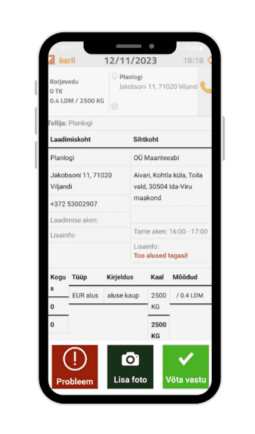
A driver app is a mobile application that makes truck drivers' work easier by letting them manage work schedules, check documents and optimise routes. It gives quick, convenient access to transport documents such as delivery notes and goods handover certificates.
Advantages of the driver app
Real-time communication: The app allows instant communication between drivers and dispatchers, so every change and instruction reaches the driver directly.
Digital documentation: The app replaces printed manifests with digital documents that are automatically time-stamped and signed. These documents are linked to the order and can be accessed any time, anywhere.
Route optimisation: The app uses real-time traffic information and other factors to suggest the best routes, cutting fuel consumption and driving time.
Real-time tracking and reporting: Dispatchers can follow the location and route of vehicles in real time, which allows better planning and a quick response to unexpected situations.
Recording damage: If goods are damaged, the driver can take photos in the app, and the dispatcher sees them straight away. If needed, the photos can also be shared with the customer, which keeps things transparent and helps resolve the issue quickly.
Comparison with traditional methods
Printed manifests vs. digital documents
Printed manifests: Time-consuming, prone to errors and easily lost.
Digital documents: Available in real time, automatically time-stamped and signed, less paperwork.
Manual working time management vs. integrated app solutions:
Manual management: Cumbersome and error-prone.
App solutions: Automatic tracking and management, accurate reports and notifications.
Comparison in workflow optimisation:
Without an app: Manual planning, outdated tools.
With an app: Real-time traffic information, optimised routes and higher efficiency.
Digital tachograph
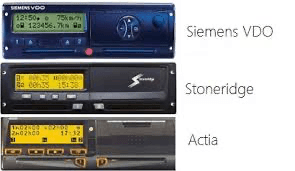
The digital tachograph has become an essential part of truck drivers' daily work. It records key data such as driving time, speed and distance travelled, helping drivers comply with driving and rest time rules. In Europe these devices are mandatory, to reduce fatigue caused by overwork and to improve road safety.
Main functions of a digital tachograph:
Recording driving times: The tachograph automatically records driving time data, including when each journey started and ended. This helps ensure drivers do not exceed the permitted driving times.
Monitoring rest periods: The device also monitors and records drivers' rest periods. Under European Union regulations, drivers must take set rest periods after a certain amount of driving to prevent fatigue and keep roads safer.
Speed logging: Some tachographs also record vehicle speed data, which helps check whether drivers follow traffic rules.
Recording events and infringements: The digital tachograph records events such as speeding, driving and rest time infringements and other important events the driver needs to be aware of.
Remote data download: Modern tachographs allow data to be downloaded remotely, so employers and enforcement authorities can check tachograph data without physical access to the vehicle.
GPS tracking systems for trucks: benefits and uses
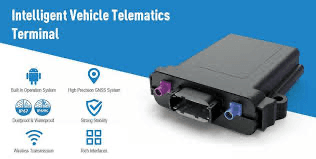
GPS (Global Positioning System) tracking has become a critical tool for truck drivers and logistics companies, making it possible to follow vehicle locations in real time. The system uses satellite technology to pinpoint a vehicle's exact position and pass that information on to operators. GPS tracking offers several important benefits that help make logistics more efficient and secure.
Benefits
Real-time location tracking: GPS systems let companies follow the location of their vehicles in real time. Logistics managers can see where every truck is at any moment, which helps them make quick decisions about route changes, schedule adjustments and customer updates.
More efficient route planning: GPS data makes it possible to optimise vehicle routes, reducing driving time and fuel consumption. It also helps avoid traffic jams and other obstacles on the road, for faster and more cost-effective deliveries.
Reducing theft: GPS tracking improves vehicle security by allowing a quick response if a vehicle strays from its planned route or is stolen. Knowing its real-time location makes it possible to find the vehicle quickly and alert the police if necessary.
Better control and accountability: GPS data helps monitor driver behaviour on the road, including speed, braking frequency and other driving patterns. This information is useful for training drivers and encouraging safer driving habits.
Building an archive: GPS systems store historical data on vehicle locations and movements, which can prove valuable in legal matters such as accident investigations.
Improving customer satisfaction: Accurate GPS tracking lets companies give customers detailed information on where their shipments are and when they are expected to arrive. This increases transparency and trust and improves overall customer satisfaction.
Fuel consumption sensors: Modern GPS trackers are often connected to sensors built into the vehicle's fuel system. These sensors measure fuel flow while the engine is running, giving accurate information on both current and cumulative fuel consumption.
GPS tracking systems are essential for logistics companies, helping them track vehicles, optimise routes and work more efficiently. They reduce costs and improve service quality, which in turn raises customer satisfaction. By integrating GPS tracking with the Planlogi software, companies can manage all their vehicles and routes from one place, reducing the need for several separate systems. This simplifies logistics management and improves overall efficiency.
Summary
Advances in technology have made truck drivers' work more efficient and safer. GPS devices, digital tachographs and driver apps are important tools that help drivers carry out their tasks every day. These technologies not only help drivers comply with labour laws but also improve their wellbeing and make them safer on the road.
Frequently asked questions
What is a driver app and how does it make the working day easier?
A driver app is a mobile application that lets drivers manage work schedules, check documents and optimise routes. It gives quick access to transport documents, real-time communication with dispatchers and digital reporting, which reduces paperwork and makes work more efficient.
What are the main advantages of a driver app?
The main advantages are real-time communication, digital documents with automatic time stamps and signatures, route optimisation, real-time tracking and reporting, and recording damage with the option to share the information with the dispatcher and the customer.
How does a digital tachograph help truck drivers?
A digital tachograph automatically records driving times, rest periods, speed and events, helping drivers comply with driving and rest time rules, reduce fatigue and improve road safety.
What data does a digital tachograph record?
It records the start and end of driving periods, the length of rest periods, speed, driving and rest time infringements and other important events, and allows employers and enforcement authorities to download the data remotely.
What is the main role of a GPS tracking system for trucks?
GPS systems make it possible to track vehicle locations in real time, optimise routes, reduce fuel consumption and waiting times, improve security and give customers accurate information on where their shipments are and when they will arrive.
How does a GPS system help improve efficiency and safety?
GPS tracking lets dispatchers make quick decisions on route changes and schedule adjustments, monitor driver behaviour and react quickly to theft or deviations, improving both efficiency and road safety.
How do digital tools reduce paperwork?
Digital documents and driver apps replace printed manifests with documentation that is available in real time and automatically time-stamped and signed, which reduces paperwork and the risk of errors.
How do a driver app and a GPS system improve customer service?
They provide real-time tracking and notifications on the location and estimated arrival time of shipments, giving customers a transparent, reliable service and raising satisfaction.
What advantages does a digital tachograph have over manual records?
A digital tachograph automatically records all the key data, allows remote download and reduces the risk of errors compared with manual recording, which is time-consuming and error-prone.
Why are digital tools essential in a truck driver's working day today?
Digital tools such as GPS, digital tachographs and driver apps make the work faster, safer and more convenient, helping drivers comply with the law, work more efficiently, make fewer mistakes and improve their wellbeing.


