May 8, 2024
Embracing Digital Disruption: Challenges and Opportunities in Freight Forwarding

In the intricate dance of global trade, freight forwarding plays a pivotal role, facilitating the seamless movement of goods across borders and continents. However, in recent years, this traditional industry has found itself at the crossroads of digital disruption, facing a myriad of challenges as it navigates the new normal of logistics in the digital age.
Decoding Supply Chain Management
At the heart of freight forwarding lies the concept of supply chain management, an intricate web of interconnected processes that orchestrate the flow of goods from their point of origin to their final destination. But what exactly does supply chain management entail? It encompasses everything from procurement and production to warehousing, distribution, and delivery, all aimed at optimizing efficiency, reducing costs, and meeting customer demands.
The Impact of Digital Disruption

One of the major challenges faced by freight forwarders today is the disruptive force of digital technology. From e-commerce logistics to advanced logistics technologies, the landscape is evolving at an unprecedented pace, reshaping traditional modes of operation. This digital disruption presents both opportunities and threats to the industry.
Technology has transformed the way freight forwarding operates. It offers unprecedented visibility into supply chain processes, allowing for real-time tracking and monitoring of shipments. Moreover, logistics technology streamlines operations, automates tasks, and improves overall efficiency. However, with these advancements come challenges such as cybersecurity risks, data privacy concerns, and the need for constant innovation to stay ahead of the curve.
Navigating the Future of Digital Freight Forwarding
So, what does the future hold for digital freight forwarding? As supply chains become increasingly complex and globalized, the demand for agile, tech-savvy freight forwarders is on the rise. To remain competitive, companies must embrace digital transformation strategies that leverage cutting-edge technologies such as blockchain in logistics.
Forward-thinking freight forwarding companies are already embracing digitalization to enhance transparency, improve operational efficiency, and deliver value-added services to their clients. Blockchain technology, for example, holds the promise of revolutionizing supply chain management by ensuring data integrity, enhancing traceability, and mitigating risks associated with counterfeit goods and fraud.
Addressing Concerns and Challenges
Despite the potential benefits, freight forwarders face a host of concerns and challenges in the digital era. Cybersecurity threats loom large, with hackers targeting sensitive supply chain data and disrupting operations. Data privacy regulations add another layer of complexity, requiring companies to adhere to strict compliance standards.
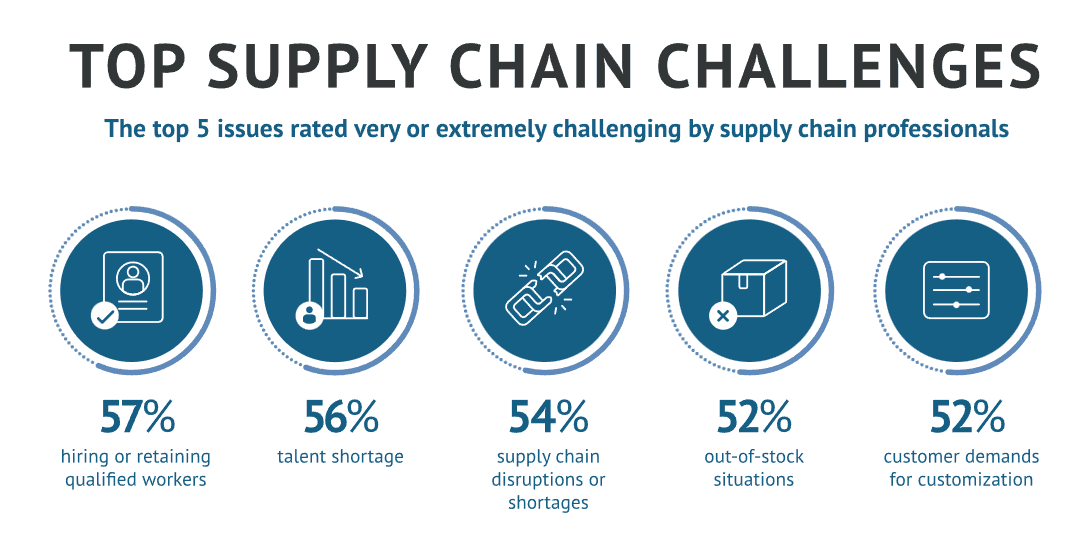
Furthermore, the shortage of skilled professionals in supply chain management jobs poses a significant challenge for the industry. As technology continues to evolve, the demand for talent proficient in logistics technology, data analytics, and digital supply chain management will only intensify.
Unraveling Transport Issues
Transportation, as a critical component of the supply chain, presents its own set of challenges. From capacity constraints and infrastructure bottlenecks to sustainability concerns and geopolitical risks, the transportation landscape is fraught with complexities. Addressing these issues requires a collaborative effort, with stakeholders across the supply chain working together to find innovative solutions.
Conclusion
Digital disruption is reshaping the freight forwarding industry, presenting both challenges and opportunities for industry players. To thrive in the new normal, freight forwarders must embrace digital transformation, adopt innovative technologies, and cultivate agile supply chain management practices. By doing so, they can position themselves for success in the dynamic and ever-evolving world of global logistics.
Frequently asked questions
What is freight forwarding?
Freight forwarding is the process of arranging and coordinating the shipment of goods from their origin to the final destination. It involves managing transportation, customs, documentation, and supply chain logistics to ensure efficient and timely delivery.
What is supply chain management in freight forwarding?
Supply chain management in freight forwarding refers to the coordination of all processes involved in moving goods, including procurement, production, warehousing, distribution, and delivery. Its goal is to optimize efficiency, reduce costs, and meet customer demands.
How is digital disruption impacting freight forwarding?
Digital disruption is transforming freight forwarding by introducing technologies that enhance visibility, streamline operations, automate tasks, and enable real-time tracking of shipments. While it offers efficiency and transparency, it also brings challenges such as cybersecurity risks and data privacy concerns.
What opportunities does digitalization create for freight forwarders?
Digitalization offers opportunities such as improved operational efficiency, enhanced supply chain transparency, adoption of value-added services, and the use of technologies like blockchain to ensure data integrity, traceability, and reduced risk of fraud.
What challenges do freight forwarders face with digital transformation?
Challenges include cybersecurity threats, strict data privacy compliance, the need for constant innovation, and a shortage of skilled professionals capable of managing digital supply chain technologies and logistics analytics.
How does blockchain impact freight forwarding?
Blockchain enhances freight forwarding by providing secure, immutable records of transactions, improving traceability, ensuring data integrity, and reducing risks related to counterfeit goods and fraud.
Why is technology important in modern freight forwarding?
Technology is critical for modern freight forwarding because it enables real-time tracking, process automation, improved operational efficiency, better customer service, and enhanced decision-making through data analytics.
What are the transportation challenges in freight forwarding?
Transportation challenges include capacity constraints, infrastructure bottlenecks, sustainability concerns, and geopolitical risks. Addressing these issues requires collaboration across the supply chain and innovative logistics solutions.
How can freight forwarders stay competitive in the digital era?
Freight forwarders can stay competitive by embracing digital transformation, adopting innovative technologies, enhancing supply chain agility, investing in skilled personnel, and leveraging data-driven solutions to improve efficiency and customer satisfaction.
What is the future of freight forwarding in the digital age?
The future of freight forwarding involves increasingly tech-savvy operations, widespread adoption of automation, digital supply chain management, blockchain implementation, and agile practices that enable companies to thrive amidst evolving global logistics challenges.


