October 15, 2024
The eFTI Regulation and the Digitalisation of Freight Transport Information: When and How Will It Become Reality?

Read how the eFTI Regulation will make the digitalisation of freight transport information a reality by 2026. Find out how eCMR, the eFTI gate and transport management software upgrades help companies adapt to the new digital freight information system, and which grants can be used for the move to electronic transport documents.
A revolutionary change is under way in logistics: paper consignment notes and transport documents are being replaced by digital solutions. One of the key drivers of this process is the eFTI Regulation — the regulation on electronic freight transport information — which aims to make the handling of goods transport documents uniform and digital across the European Union. This means that all transport-related documents, such as the electronic consignment note (eCMR), must be available and accepted in electronic form.
The eFTI Regulation is coming into force gradually, and full implementation is expected by 2026, when EU member states must accept all electronic transport documents, whether the goods travel by road, rail, sea or air. Meanwhile, Estonian carriers and logistics companies have already started preparing to adapt smoothly to the new digital era. To choose the right eCMR partner, you should first take a thorough look at where you stand today and assess how well each provider fits.
[Image (links to demo booking page): Planlogi eCMR banner (no alt text) — original: https://static.tildacdn.net/tild3737-3932-4335-b332-306166363836/Planlogi_e-veoselehe.png]
What is eFTI and how does it affect logistics?
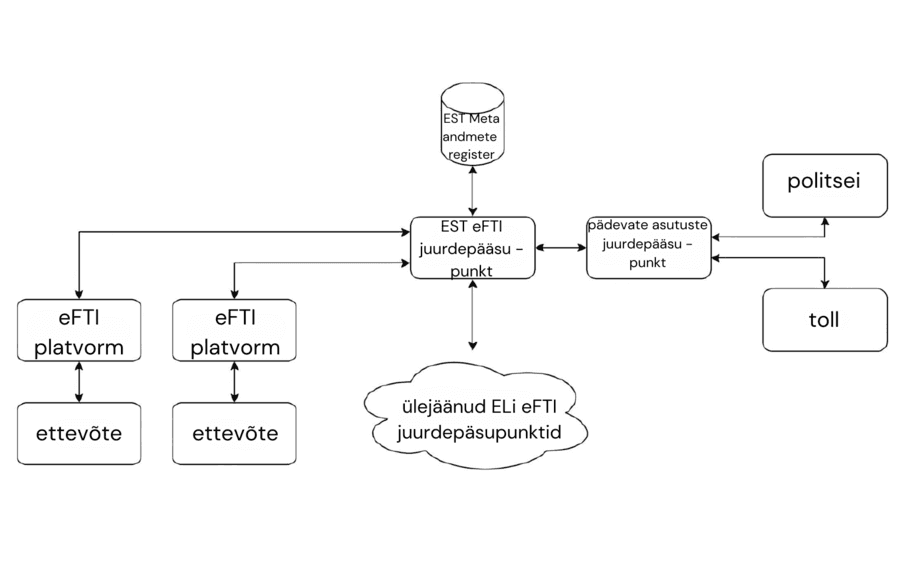
eFTI, or electronic freight transport information, is a system through which all data related to freight transport is exchanged in digital form. The aim of eFTI is to reduce the use of paper documents, lower the risk of errors and speed up the flow of data between the different parties. This is especially important in international transport, where handling documents correctly and on time can affect the efficiency of the entire supply chain.
The international CMR contract (the contract for the international carriage of goods by road), which is used for freight documentation in road transport, is also going digital. The eCMR lets carriers, customers and authorities track the consignment’s journey and status better in real time, bringing greater transparency and efficiency to the whole process.
When will the eFTI Regulation become reality?
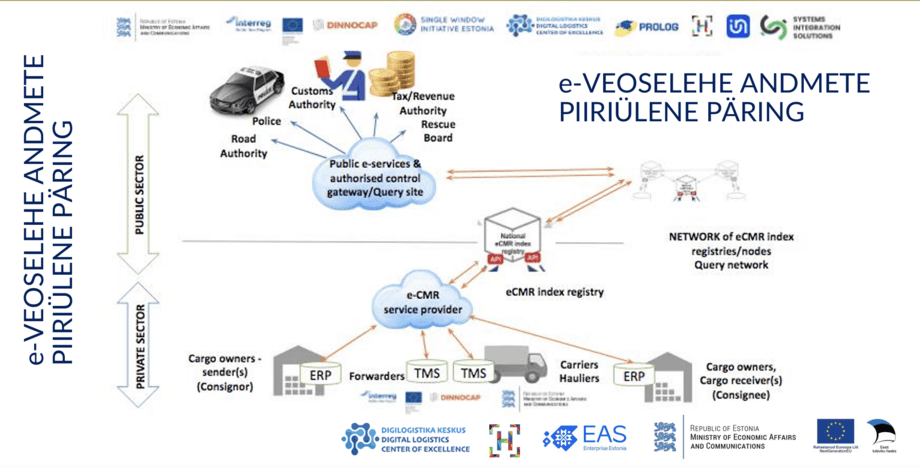
Full entry into force of the eFTI Regulation is planned for 2026, but the Estonian government has already taken steps in that direction. For example, the Ministry of Climate and EIS have actively supported a grant programme for eCMR development, which aims to encourage companies to upgrade their transport management software and integrate the eCMR.
The eFTI gate is also an important part of the system, as it acts as a central platform where all digital transport documents are collected and from which they can be accessed when needed. The goal is for the eCMR and other digital consignment notes to be universal and applicable in all EU member states.
How can companies prepare?
To adapt to the new eFTI Regulation, companies involved in freight transport need to upgrade their transport management software and integrate electronic transport documents such as the eCMR and the digital consignment note. In many cases a company can use an eCMR integration grant, which helps cover part of the software development costs and eases the burden on the company during the transition period. It is important to note that this grant can only be applied for in cooperation with nine companies operating in Estonia, one of which is Planlogi, which offers end-to-end solutions for digitalising logistics processes.
Why does the eFTI Regulation matter?
The eFTI Regulation brings a significant change to logistics, helping to make processes faster and more accurate. The use of paper documents, and the errors that come with them, is reduced, allowing the entire transport chain to operate more efficiently. It is also a big step towards green logistics, as paper use falls and digitalising data also helps reduce the environmental impact of transport.
Summary
In short, eFTI transport and the solutions that come with it, such as the eCMR, are defining changes for the transport sector, giving both carriers and customers the opportunity for smoother and more efficient freight transport in future. Because Estonia is an active participant in this process, our companies have the chance to gain significant competitive advantages on the international stage.
Frequently asked questions
What is eFTI and why does it matter to logistics companies?
eFTI (electronic freight transport information) is a system through which freight transport documents and data are exchanged in digital form. It helps reduce the use of paper documents and the occurrence of errors, and speeds up the flow of data in the logistics supply chain, especially in international transport.
When does the eFTI Regulation come into force and how does it affect Estonian companies?
Full entry into force of the eFTI Regulation is planned for 2026, when all EU member states must accept electronic transport documents. In Estonia, companies have already started preparing to adapt smoothly to the new digital freight information system.
How does Planlogi software help companies move to electronic consignment notes?
Planlogi offers a flexible software solution that supports both small and large logistics networks. Our system enables integration with international transport, digitalises CMR contracts and other documents, and brings your logistics system into line with eFTI standards.
What is an eCMR and why is it important in the context of eFTI?
An eCMR is a digital consignment note that carries all the information related to the consignment in electronic form. It becomes important in the eFTI system because all transport-related information must be available and accepted electronically, reducing the need for paper documents.
Does Planlogi software support international transport and CMR contracts?
Yes — our solution is designed to support international road transport and to digitalise CMR contracts and other transport documents. This ensures a smooth transition to digital solutions across international logistics networks too.
What steps should a logistics company take right now to prepare for eFTI?
A company should assess the state of its current information systems, identify which processes rely on paper documents, draw up a transition plan (e.g. digitalisation, software selection, integration) and choose a reliable partner that supports meeting eFTI requirements.
What does the ‘eFTI gate’ mean and what role does it play?
The eFTI gate is a central platform or system where digital transport documents are brought together and from which they can be accessed when needed. This function is important so that digital documents are handled smoothly between different movements and parties, and the whole system is transparent and integrated.
Can a small logistics company use Planlogi, or is it only for large companies?
Planlogi’s solution is flexible and adaptable — it can be used by both small and larger logistics networks. Our software scales to your company’s needs, supports the digital consignment note and helps you prepare to meet eFTI requirements.
What grants or funding options are available in Estonia for the move to electronic transport documents?
In Estonia there are, for example, support programmes from the Ministry of Climate and the Estonian Information System Authority (EIS) aimed at software upgrades for logistics companies and eCMR integration. These grants are worth exploring with experts or partners in the field.
How does Planlogi software ensure compliance with European Union and Estonian law?
Our systems are designed to comply with both EU regulations and Estonian law, particularly in relation to digital freight transport information and transport documents (such as the eCMR). By choosing Planlogi, you get a platform that supports both regulatory compliance and day-to-day operations.


