September 30, 2024
eFTI and eCMR: How the Digital Consignment Note Is Changing Logistics in Estonia

eFTI and the eCMR are digitalising Estonia’s logistics system – reducing paperwork, making data exchange more transparent and raising efficiency across the whole sector. Find out how eFTI and logistics software help businesses and what grant is available for developing eCMR solutions.
The world of logistics and transport is changing fast, moving from paper-based processes to digital solutions. One of the biggest changes is the introduction of eFTI, or Electronic Freight Transport Information, a system that standardises and digitalises the handling of transport documents. Estonia is also introducing the electronic consignment note (eCMR), which lets carriers and businesses make their workflows faster, more transparent and more environmentally friendly. To choose the right eCMR software, you should first work through a checklist of questions to assess where you stand today and how solid the provider’s background is. In this article, we look at what eFTI means, what it aims to achieve and how it affects logistics software and businesses in Estonia.
What is eFTI and how is it changing Estonia’s logistics sector?
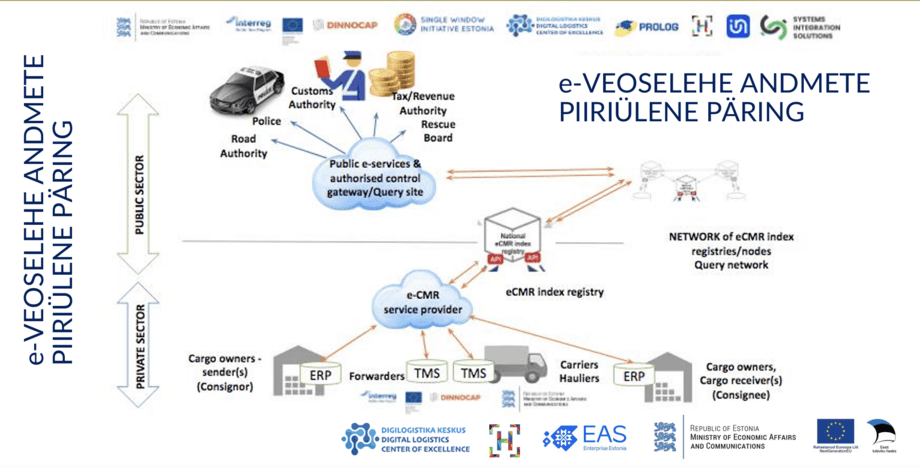
The transport and logistics sector worldwide is moving towards digitalisation, with paper-based solutions being replaced by electronic documents. One of the biggest steps on this journey is the introduction of eFTI, or Electronic Freight Transport Information. eFTI is a European Union regulation whose aim is to move all logistics and transport documentation onto a digital footing. It directly affects carriers, traders and logistics software providers, as traditional paper consignment notes – including the internationally known CMR consignment note – are moved into digital channels.
The digitalisation of logistics brings a faster, more transparent and more environmentally friendly supply chain, making the entire sector more efficient and flexible. In Estonia, businesses are supported in making this transition through a dedicated eCMR development grant, intended for companies that want to bring their supply chain processes in line with the new European standards.
What does the term *eFTI* mean?
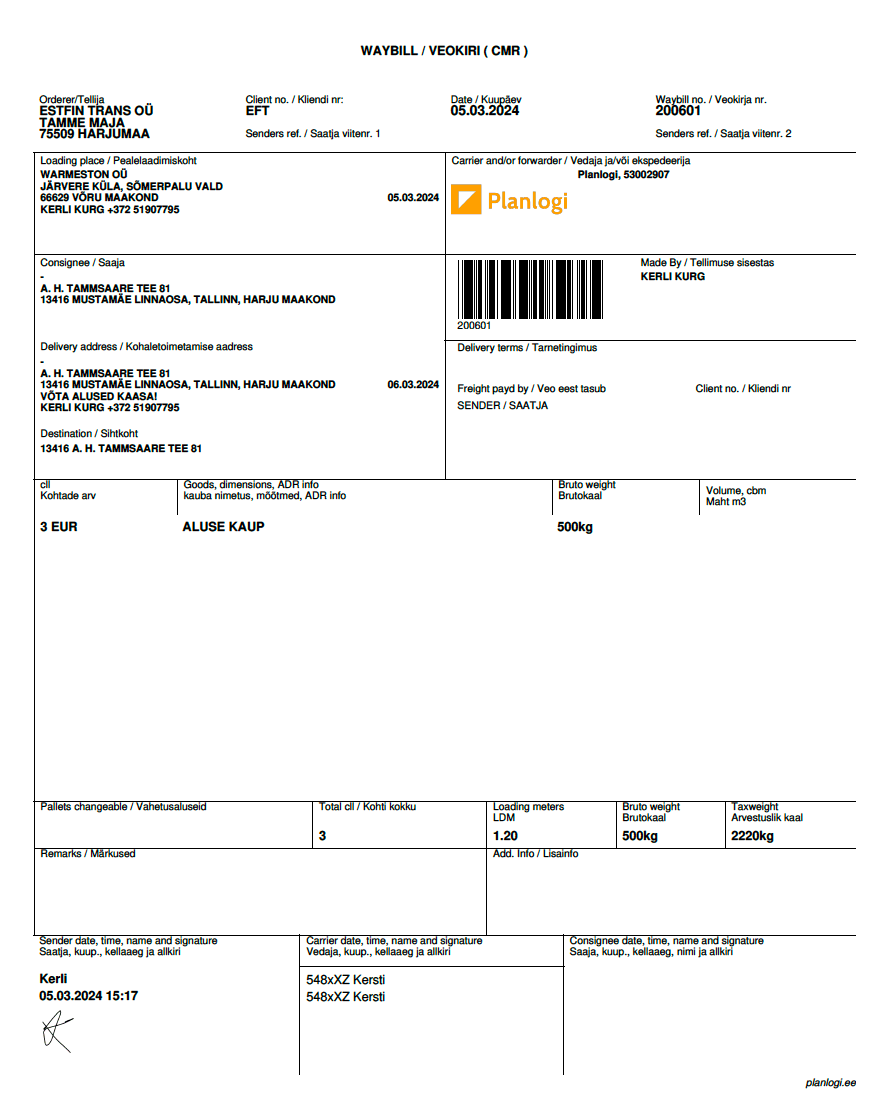
eFTI stands for Electronic Freight Transport Information. This European Union initiative aims to make every process for exchanging transport documents digital and standardised. The goal of eFTI is to replace traditional paper consignment notes and transport documents with digital versions, enabling seamless data exchange between all parties in the transport sector.
This means that the eCMR and other important shipping documents, including the CMR, will in future be available in a single system where all parties can share and manage data in real time. The change applies to all EU member states, and from 2025 implementing eFTI is mandatory. Estonian businesses need to prepare to use eFTI-compatible logistics software to ensure smooth data exchange during transport.
Transparency in data exchange
Implementing eFTI makes logistics data exchange far more transparent. All parties can continuously track the location, status and documents of the goods in real time. The digital eCMR provides real-time access to data that can be used by carriers, consignors and customs authorities alike, reducing bureaucratic delays.
Transparency in data exchange is also critical for international transport, where all documents relating to the goods need to be internationally accepted and standardised. Because eFTI is based on European Union regulations, it creates a common framework for all member states, simplifying the handling of documentation for cross-border trade and transport.
In Estonia, some logistics software solutions, such as Planlogi, are already able to integrate with the eFTI system, providing smooth and secure digital data exchange between all parties involved in transport. This makes it possible to follow the entire supply chain from consignor to final consignee, ensuring that all the necessary documents are always available and up to date.
How does the *eCMR development grant* support businesses?
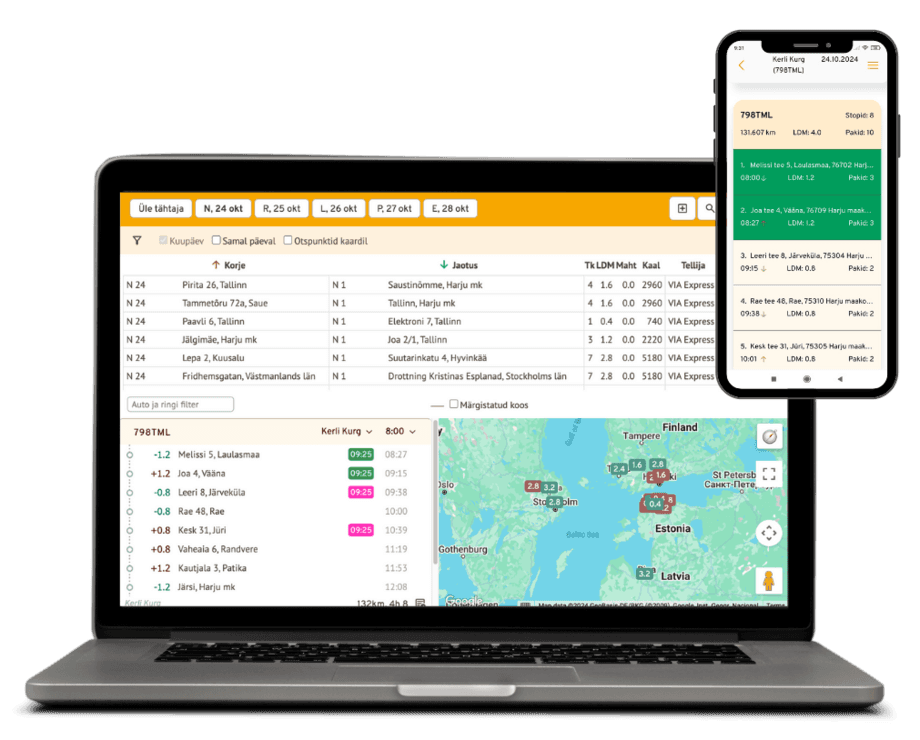
Planlogi logistics management software
From 30 September 2024, Estonian businesses can apply for state support to develop eCMR solutions under a new regulation published in the Riigi Teataja (State Gazette). The grant is designed to help businesses bring their logistics processes into line with the new European eFTI regulations by digitalising the handling of consignment notes and transport documents. It can be used to develop dedicated logistics software or to upgrade existing systems so they support the eCMR and other digital consignment notes.
The grant helps cover significant development and implementation costs, making the move to digital solutions financially easier for businesses. It is an important step in helping companies move smoothly towards paperless processes, increasing the speed and efficiency of logistics and meeting European Union requirements.
Summary
eFTI and the eCMR mark a major step in the digitalisation of the logistics sector in Estonia and across Europe. These changes move paper-based consignment notes into digital solutions, offering faster and more transparent data exchange. The Estonian state is supporting businesses through this transition by offering the eCMR development grant, which helps companies adopt innovative logistics software to ensure smooth and efficient supply chain management.
Frequently asked questions
(Editor note: this FAQ exists on the original page only as FAQPage schema, not as visible text. Translated here for reference; publish as a visible FAQ section if desired so the schema matches on-page content.)
What is eFTI and how is it changing logistics in Estonia?
eFTI, or Electronic Freight Transport Information, is a European Union initiative that aims to move all transport and logistics documents into digital form. It makes freight processes faster, more transparent and more environmentally friendly by replacing paper CMR consignment notes and other shipping documents with electronic versions.
What is the eCMR and how does it work?
The eCMR is a digital consignment note that contains all the information relating to a shipment and replaces paper consignment notes. It allows carriers, consignors and authorities to manage and share data in real time, reducing errors and red tape and improving shipment traceability.
When will the eFTI system become mandatory in Estonia?
Implementing the eFTI system becomes mandatory from 2025 under the European Union regulation. By then, Estonian businesses must make sure their logistics software supports eFTI standards and allows electronic transport documents to be used.
How do eFTI and the eCMR improve transparency in data exchange?
eFTI and the eCMR let all parties in the logistics process – carriers, consignors and officials – track documents and shipment status in real time. This creates transparency across the entire supply chain, reduces delays and improves cooperation between authorities in different countries.
How does Planlogi help businesses adopt eFTI and the eCMR?
Planlogi offers modern logistics software that is already compatible with eFTI standards. Our system helps businesses move smoothly to electronic consignment notes, integrate data exchange with the eFTI gate and ensure compliance with European Union and Estonian legislation.
What benefits does the eCMR bring to Estonia’s logistics sector?
The eCMR reduces the need for paper documents, speeds up the flow of documents and makes logistics processes more transparent. It increases operational efficiency, cuts costs and helps businesses meet green transition goals by making their operations more environmentally sustainable.
How does the eFTI system affect international transport?
eFTI creates a single framework for all European Union member states, allowing digital transport documents to be accepted across borders. This simplifies international trade, reduces duplicated work and speeds up customs and inspection processes.
Are eFTI and the eCMR secure from a data exchange perspective?
Yes. The eFTI system is based on EU cybersecurity and data protection standards. All data exchange takes place over secure connections, and the authenticity and integrity of documents are guaranteed, reducing the risk of data leaks and unauthorised access.
How can businesses assess whether they are ready for eFTI?
Businesses should analyse their current logistics and document management processes, assess whether their software is compatible with eFTI standards and upgrade their systems where necessary. Working with partners who have experience integrating eFTI solutions is also recommended.
How does adopting eFTI and the eCMR improve a company’s competitiveness?
Adopting eFTI and the eCMR gives businesses a significant competitive advantage, as digital processes make data exchange faster and more accurate. It improves customer communication, reduces delays and costs, and increases transparency across the entire supply chain. Companies that implement eFTI standards early gain better access to international markets and can meet partners’ growing digitalisation requirements.


