
The freight forwarding industry is a crucial component of the global economy, facilitating international trade through complex logistical networks. As we navigate 2024, the sector continues to evolve dramatically, influenced heavily by digitalization. This article explores the pivotal role of digital freight forwarders and how advancements in technology are shaping the future of this vital industry.
The freight forwarding industry is a crucial component of the global economy, facilitating international trade through complex logistical networks. As we navigate 2024, the sector continues to evolve dramatically, influenced heavily by digitalization. This article explores the pivotal role of digital freight forwarders and how advancements in technology are shaping the future of this vital industry.
What is the Future of the Freight Forwarding Industry?
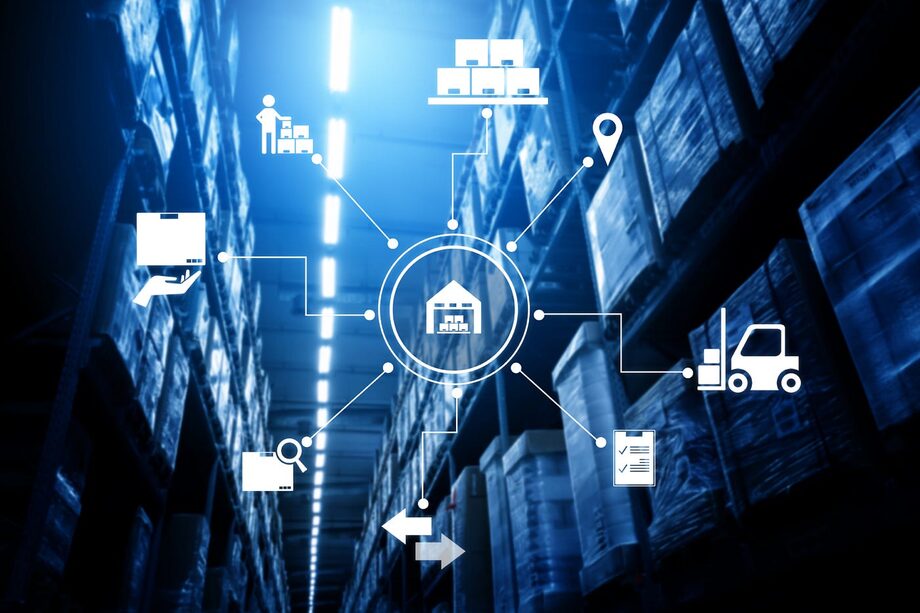
The future of the freight forwarding industry is being shaped by digital freight forwarding, which integrates advanced technologies to streamline shipping processes. By 2024, the industry is experiencing a shift towards digital freight platforms that enhance efficiency, reduce costs, and improve service delivery. This shift not only revolutionizes how goods are moved globally but also emphasizes the importance of sustainability and agility in logistics.
What Does a Digital Freight Forwarder Do?
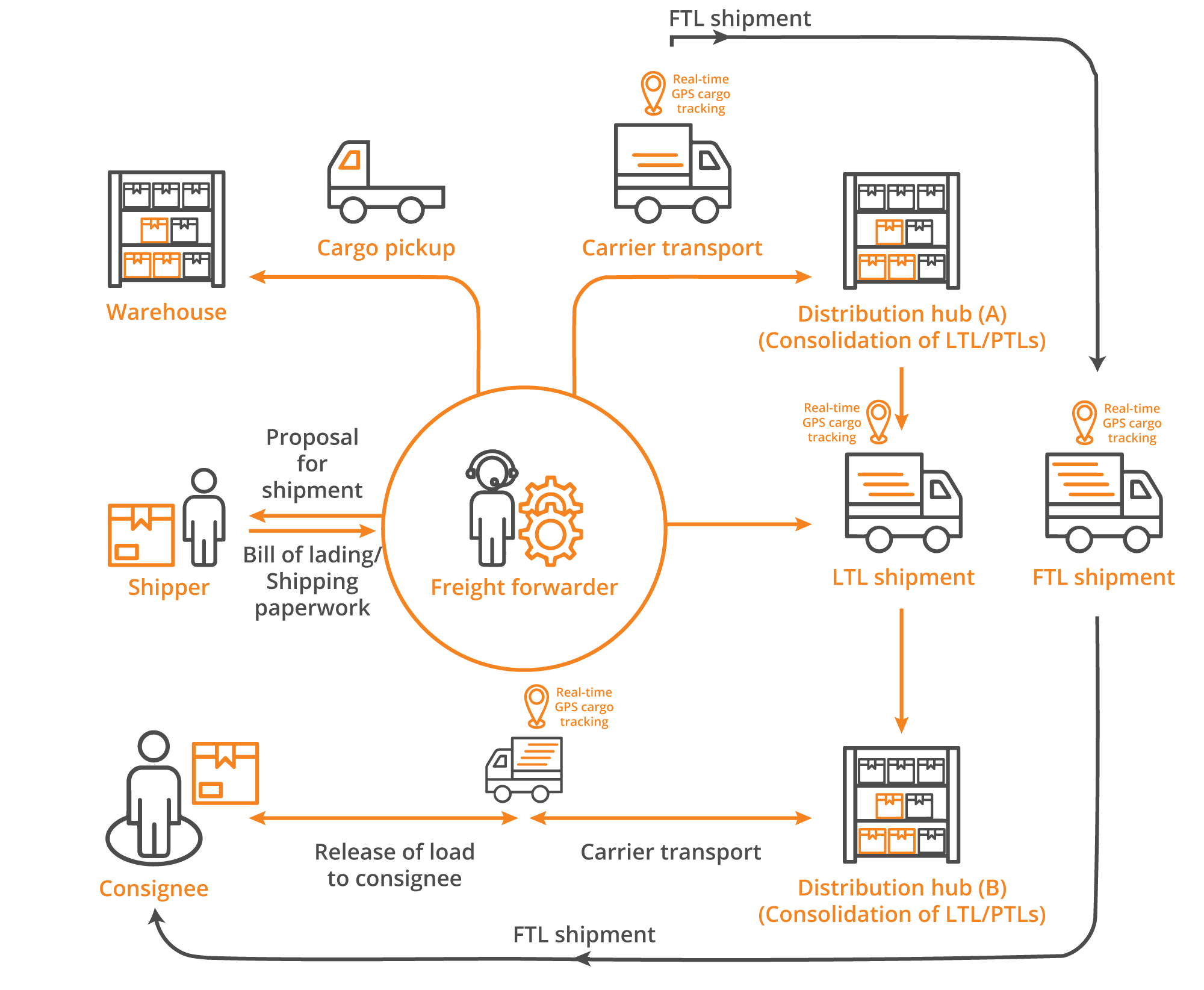
A digital freight forwarder uses technology to provide end-to-end logistics solutions that are typically faster, more cost-effective, and more reliable than traditional methods. These entities leverage digital freight forwarding platforms to manage cargo transactions and communications seamlessly. By employing digital tools, they offer services like forward freight tracking, digital cargo transactions, and comprehensive digital freight management systems that provide greater visibility and control over the supply chain.
The Importance of Freight Forwarding in the Global Economy
Freight forwarding is essential for maintaining the flow of goods across international borders. It enables companies to expand into new markets, supporting economic growth and stability worldwide. The digital freight forwarder plays a pivotal role by using digital freight networks to manage and optimize these complex processes, ensuring that the global supply chain remains robust and responsive to market demands.
Will AI Take Over Freight Forwarding?
While AI is increasingly integrated into the forwarding industry, it is unlikely to completely take over. Instead, AI enhances capabilities in digital freight forwarding platforms, improving decision-making through data analytics and machine learning. This technology supports human operators by providing insights for better forecasting and planning in logistics, thereby complementing the strategic aspects of freight management rather than replacing the need for human expertise.
Real-time Visibility and GPS Tracking in Road Freight Logistics
In road freight logistics, real-time visibility and GPS tracking are fundamental components that offer numerous benefits. They allow for forward LTL tracking and forward freight tracking, providing both shippers and clients with up-to-date information about the whereabouts and status of their shipments. This technology is crucial for optimizing routes, reducing delays, and enhancing the overall reliability of the shipping process.
How Can Data Analytics Improve Forecasting and Planning in Logistics?
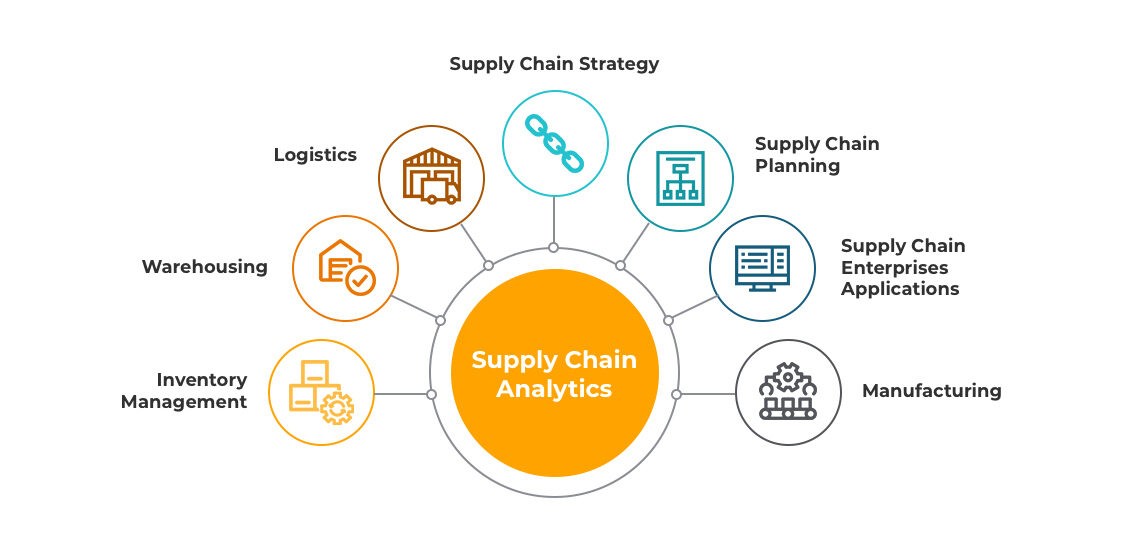
Data analytics is transformative in logistics, particularly in digital freight forwarding. By analyzing large datasets, digital freight forwarders can predict trends, prepare for potential disruptions, and optimize operations. This capability not only improves operational efficiency but also enhances strategic planning, making the freight forwarding system more proactive rather than reactive.
How Can Data Analytics Improve Forecasting and Planning in Logistics?
The Freight Forwarding Industry in 2024
In 2024, the freight forwarding industry is characterized by increased reliance on digital freight forwarding platforms. These platforms streamline operations and foster a digital shipper environment that is more integrated and less susceptible to traditional logistics challenges. The emphasis on digital freight network solutions reflects a broader trend towards technological adaptation in the logistics sector.
Conclusion
Digital freight forwarders are at the forefront of revolutionizing the freight forwarding industry. By embracing digital freight forwarding technology and integrating AI into their operations, these forwarders are setting new standards for efficiency and reliability in global trade. As the industry continues to evolve, the role of the digital freight forwarder will only become more crucial, driving innovation and sustainability in the global economy. The ongoing transformation within the forwarding industry underscores the critical nature of adaptability and forward-thinking in harnessing the full potential of digital solutions in logistics.
Frequently asked questions
What is a digital freight forwarder?
A digital freight forwarder uses technology to provide end-to-end logistics solutions, including cargo management, shipment tracking, and digital transaction processing. They offer faster, more cost-effective, and more reliable services compared to traditional freight forwarding methods.
How is the freight forwarding industry evolving?
The freight forwarding industry is increasingly adopting digital platforms that streamline shipping processes, enhance efficiency, reduce costs, and improve service delivery. There is also a growing emphasis on sustainability and agile logistics practices.
What role does freight forwarding play in the global economy?
Freight forwarding is essential for maintaining the flow of goods across international borders. It supports economic growth, enables companies to expand into new markets, and ensures that the global supply chain remains robust and responsive to market demands.
Will AI replace human operators in freight forwarding?
AI is unlikely to completely replace human operators. Instead, it enhances digital freight forwarding platforms by providing data analytics, predictive insights, and operational support, enabling better decision-making and strategic planning while complementing human expertise.
How does real-time visibility improve road freight logistics?
Real-time visibility and GPS tracking allow shippers and clients to monitor shipments, optimize routes, reduce delays, and improve reliability. These features enhance forward LTL tracking and provide accurate status updates throughout the delivery process.
What is the impact of data analytics on logistics planning?
Data analytics enables digital freight forwarders to analyze large datasets, predict trends, anticipate disruptions, and optimize operations. This improves operational efficiency and strategic planning, making the logistics system more proactive and responsive.
How do digital freight platforms streamline operations?
Digital freight platforms centralize shipment management, automate processes, provide real-time tracking, and enable seamless digital transactions. They reduce traditional logistics challenges, increase visibility, and integrate various supply chain functions.
What benefits do digital freight forwarders provide over traditional forwarders?
Digital freight forwarders offer faster communication, real-time shipment tracking, automated documentation, predictive analytics, improved efficiency, cost reduction, and enhanced customer experience compared to traditional freight forwarders.
Why is sustainability emphasized in digital freight forwarding?
Digital freight forwarding emphasizes sustainability by optimizing routes, reducing fuel consumption, minimizing inefficiencies, and integrating eco-friendly logistics practices. This helps reduce environmental impact while maintaining cost efficiency.
What is the future outlook for digital freight forwarding?
The future of digital freight forwarding includes wider adoption of technology-driven platforms, integration of AI and analytics, enhanced operational efficiency, sustainable practices, and increased visibility across the global supply chain. Digital forwarders will continue to be critical for global trade.


