July 12, 2024
In-Depth Guide to Transport Policy and Legislation: Mastering Logistics, Maritime Laws, and International Trade

Transport policy and legislation form the backbone of global logistics and shipping operations. This article aims to provide a detailed understanding of logistics legislation, maritime laws, international trade law, and the crucial relationship between transport and the environment. Whether you’re a logistics professional, a shipping company, or a policymaker, this guide will equip you with essential knowledge and insights.
What is the Transport Policy of the EU?
The European Union (EU) has a robust transport policy focused on creating a sustainable, efficient, and interconnected transportation network across its member states. The policy aims to reduce greenhouse gas emissions, enhance road safety, and promote innovation in transport technologies. A key initiative is the Trans-European Transport Network (TEN-T), which strives to develop a comprehensive and sustainable transport infrastructure.
What is Transport Planning and Policy?
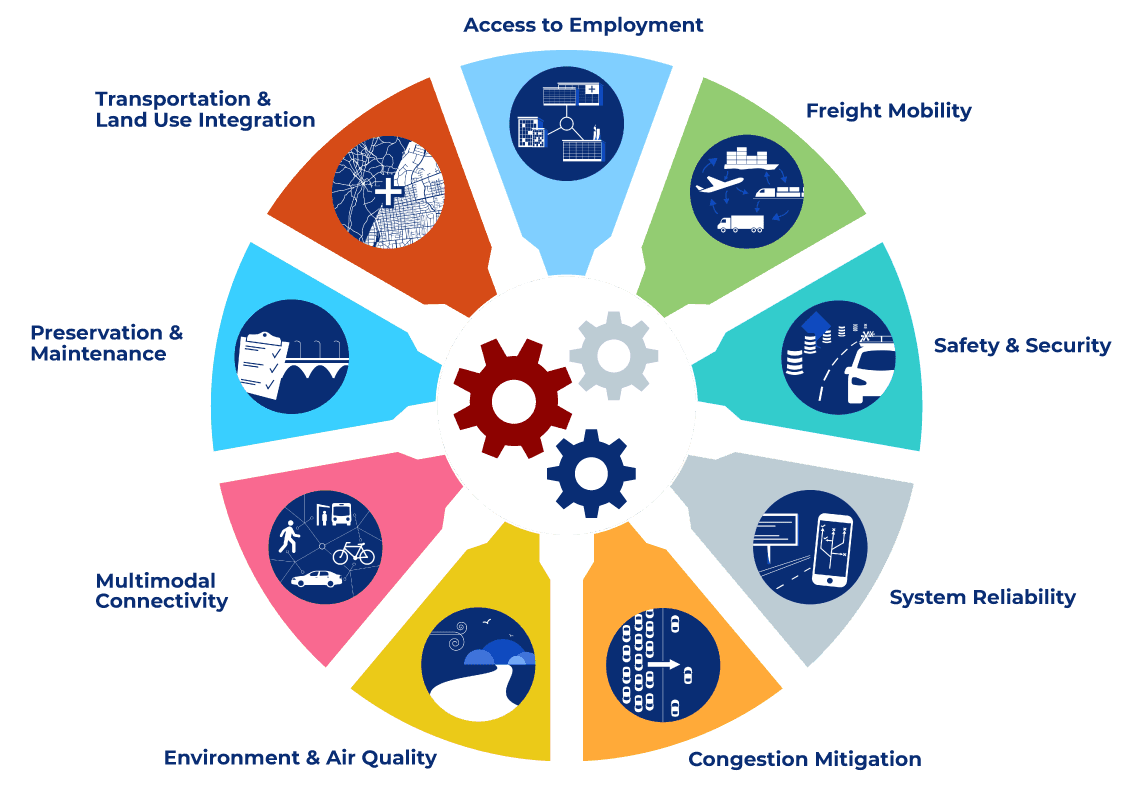
Transport planning and policy involve strategic planning and implementation of transportation systems to meet societal needs. This includes everything from urban transit planning to the development of international shipping laws and regulations. Effective transport planning ensures the smooth movement of goods and people, taking into account environmental impacts and economic benefits.
What is the EU Term for Transportation?
In the EU context, “transport” is the term used to describe the movement of goods and people across various modes, including road, rail, air, and maritime. The EU’s transport policy focuses on creating a unified and efficient transport network that supports the internal market and facilitates international trade.
Why is it Important for SA to Have Policies and Regulations in Transportation?
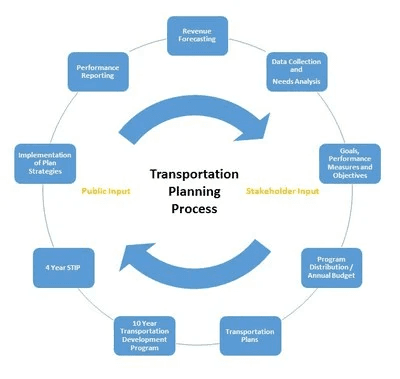
For South Africa (SA), having well-defined transport policies and regulations is crucial for ensuring safety, promoting economic growth, and addressing environmental concerns. Effective transport law and maritime law rules help mitigate risks associated with international shipping and logistics operations, ensuring smoother and more secure transport activities.
What is an Example of Transport Planning?
An example of transport planning is the development of integrated public transit systems in major cities. This involves coordinating different modes of transport, such as buses, trains, and trams, to create efficient transit solutions. Effective transport planning also addresses traffic congestion and aims to improve air quality in urban areas.
What is the Common Transit Procedure in the EU?
The Common Transit Procedure in the EU simplifies the movement of goods between EU member states and neighboring countries by minimizing customs formalities. This procedure facilitates smoother and faster international trade, which is essential for logistics companies operating in the European market.
Key Topics in Transport Policy and Legislation
Logistics Legislation
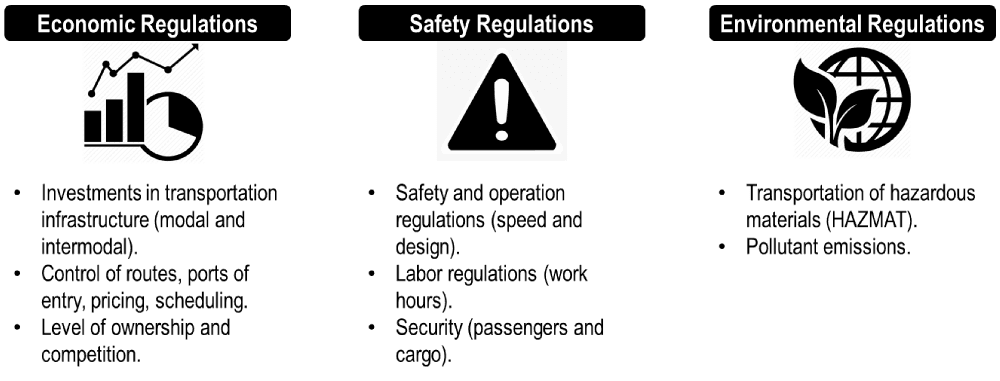
Logistics legislation encompasses the laws and regulations that govern the transportation and storage of goods. It includes safety standards, environmental regulations, and the rights and responsibilities of carriers and shippers. Compliance with logistics legislation is essential for efficient and legal transport operations.
Maritime Laws
Maritime laws, or admiralty laws, regulate activities on navigable waters. These laws cover a wide range of issues, including shipping law, maritime insurance international, and maritime laws and regulations. A thorough understanding of maritime law rules is crucial for companies involved in international shipping.
Maritime Climate
What is maritime climate? The maritime climate refers to the environmental conditions in coastal and oceanic regions, characterized by mild temperatures and high humidity. This climate significantly impacts shipping operations, as weather conditions affect navigation, safety, and the integrity of transported goods.
International Trade Law and International Maritime Law
International trade law and international maritime law govern the global exchange of goods and services. These legal frameworks ensure fair trade practices, protect intellectual property, and resolve disputes. International shipping laws and regulations are critical for maintaining smooth international trade operations.
The Role of Non-Mandatory Guidelines in Maritime Operations
Not all maritime regulations are mandatory. Non-mandatory guidelines, while not legally binding, play a significant role in shaping industry best practices. These guidelines often complement mandatory maritime laws and regulations, providing additional safety and operational recommendations.
Transport and Environment
Transport and the environment are intrinsically linked, as transportation activities significantly impact the natural world. Policies aimed at reducing carbon emissions, promoting green technologies, and enhancing fuel efficiency are crucial for sustainable transport. International marine insurance also helps mitigate environmental risks associated with maritime operations.
International Legal Advice for Maritime and Transport Sectors
Navigating the complexities of international shipping laws and regulations often requires expert legal advice. International legal advice ensures compliance with various national and international laws, reducing the risk of legal disputes and enhancing operational efficiency.
Conclusion
Transport policy and legislation are pivotal in shaping the efficiency and sustainability of global logistics and shipping operations. This comprehensive guide covers essential aspects such as logistics legislation, maritime laws, international trade law, and the vital relationship between transport and the environment. Key topics include the EU’s transport policy, transport planning, and the significance of regulatory frameworks in South Africa. The article also delves into specific areas like the maritime climate, the role of non-mandatory guidelines, and the importance of international legal advice for navigating the complexities of international shipping laws and regulations. Understanding these elements ensures safer, more efficient, and environmentally responsible transportation practices globally.
Frequently asked questions
What is the transport policy of the EU?
The European Union’s transport policy aims to create a sustainable, efficient, and interconnected transportation network across member states. It focuses on reducing greenhouse gas emissions, enhancing road safety, and promoting innovation in transport technologies, including the development of the Trans-European Transport Network (TEN-T).
What is transport planning and policy?
Transport planning and policy involve the strategic planning and implementation of transportation systems to meet societal needs. This includes urban transit planning, international shipping laws, and regulations to ensure smooth movement of goods and people while considering environmental and economic impacts.
What does ‘transport’ mean in the EU context?
In the EU context, ‘transport’ refers to the movement of goods and people across road, rail, air, and maritime modes. EU transport policy focuses on creating a unified and efficient network that supports the internal market and facilitates international trade.
Why is it important for South Africa to have transport policies and regulations?
Well-defined transport policies and regulations in South Africa ensure safety, promote economic growth, and address environmental concerns. Proper transport and maritime laws help mitigate risks in international shipping and logistics, ensuring smoother and more secure operations.
Can you give an example of transport planning?
An example of transport planning is the development of integrated public transit systems in major cities. This coordinates buses, trains, and trams to create efficient transit solutions, reduce congestion, and improve air quality.
What is the Common Transit Procedure in the EU?
The Common Transit Procedure simplifies the movement of goods between EU member states and neighboring countries by minimizing customs formalities. It enables faster and smoother international trade, crucial for logistics companies operating in Europe.
What is logistics legislation?
Logistics legislation encompasses laws and regulations governing the transportation and storage of goods. It includes safety standards, environmental regulations, and the rights and responsibilities of carriers and shippers, ensuring legal and efficient transport operations.
What are maritime laws?
Maritime laws regulate activities on navigable waters, covering shipping, maritime insurance, and international maritime regulations. Understanding maritime law is critical for companies engaged in international shipping.
What is maritime climate and why is it important?
Maritime climate refers to environmental conditions in coastal and oceanic regions, often with mild temperatures and high humidity. It affects navigation, shipping safety, and the integrity of transported goods, making it crucial for maritime operations.
Why are international trade and maritime laws important?
International trade and maritime laws govern the global exchange of goods and services, ensuring fair trade practices, protecting intellectual property, and resolving disputes. Compliance is critical for smooth international shipping and logistics operations.
What role do non-mandatory guidelines play in maritime operations?
Non-mandatory guidelines are not legally binding but provide industry best practices that complement mandatory maritime laws, offering additional safety measures and operational recommendations.
How does transport impact the environment?
Transport significantly affects the environment through emissions and fuel consumption. Policies promoting green technologies, reducing carbon emissions, and improving fuel efficiency help create sustainable transport practices.
Why is international legal advice important for maritime and transport sectors?
International legal advice ensures compliance with complex national and international shipping laws, reduces the risk of disputes, and enhances operational efficiency for logistics and shipping companies.


