
In the logistics industry, fuel costs account for a significant portion of operational expenses. With fluctuating fuel prices and increasing environmental concerns, optimizing fuel consumption has never been more critical. Route optimization, powered by advanced fuel routing software and comprehensive fuel management systems, can reduce fuel costs by up to 30%. This article delves into the mechanisms of route optimization and highlights the benefits of using these technologies to enhance fuel efficiency.
The Significance of Fuel Optimization
Fuel optimization is the strategic process of planning and managing routes to minimize fuel consumption and maximize efficiency. This involves using sophisticated software to determine the most efficient routes, considering various factors such as traffic conditions, delivery schedules, and vehicle capacities. The goal is to reduce fuel usage, lower operational costs, and improve overall logistics performance.
The Role of Routing Software in Fuel Optimization
Fuel routing software is a key component in achieving fuel optimization. Here’s how it works:
Real-Time Traffic Monitoring: The software continuously monitors traffic conditions, allowing drivers to avoid congested areas and reduce idle time, which directly cuts down fuel consumption.
Optimal Route Calculation: By analyzing multiple variables, including distance, road conditions, and delivery priorities, routing software calculates the most efficient routes. This ensures vehicles travel the shortest possible distances, saving fuel.
Dynamic Route Adjustment: In the event of unexpected delays such as accidents or road closures, the software can dynamically adjust routes to prevent fuel wastage.
Efficient Load Management: Properly distributing loads among vehicles ensures they operate at optimal capacity, which further enhances fuel efficiency and reduces unnecessary trips.
Benefits of a Fuel Management System
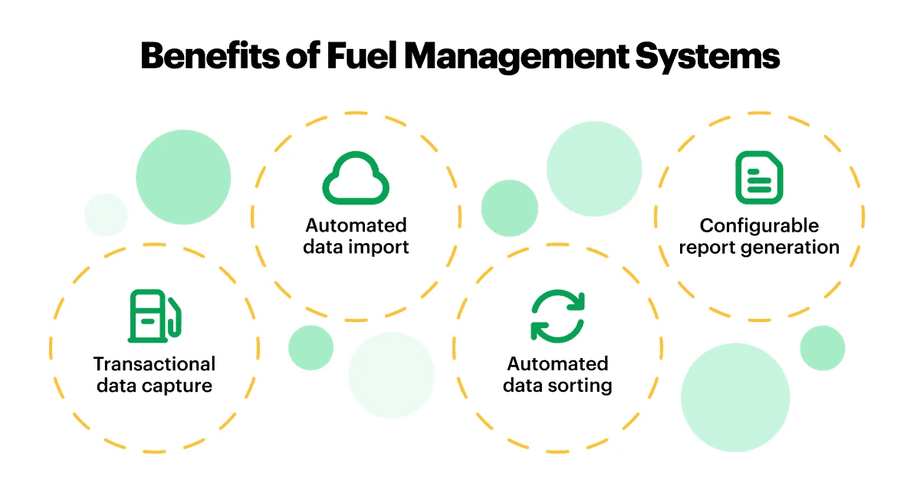
A fuel management system provides detailed insights and control over fuel usage. Key benefits include:
Accurate Fuel Tracking: Real-time monitoring of fuel consumption helps identify inefficiencies and areas for improvement, ensuring accurate fuel tracking and management.
Preventive Maintenance: Monitoring vehicle performance and fuel usage allows for timely maintenance, preventing fuel-wasting issues like engine problems and ensuring vehicles run efficiently.
Driver Behavior Analysis: Tracking driver habits, such as idling time and aggressive driving, provides data that can be used to promote more fuel-efficient driving practices.
Comprehensive Reporting: Detailed reports on fuel usage and costs help in budgeting and identifying cost-saving opportunities, allowing for better financial planning and control.
Real-World Examples of Successful Implementation
Several companies have successfully implemented routing software and fuel management systems, achieving significant fuel savings:
Company A: Implementing advanced routing software reduced their fuel consumption by 25%. By optimizing routes and avoiding traffic congestion, they significantly lowered their operational costs.
Company B: Using a fuel management system, they identified inefficient driving behaviors and conducted training programs, resulting in a 20% reduction in fuel costs.
Company C: Through real-time traffic data and dynamic route adjustments, Company C managed to cut its fuel expenses by 30%, greatly improving overall efficiency.
Best Practices for Implementing Route Optimization
To maximize the benefits of route optimization and fuel management systems, consider the following best practices:
Invest in Cutting-Edge Technology: Choose routing software and fuel management systems with features like real-time data analysis, dynamic route planning, and comprehensive reporting capabilities.
Driver Training: Regularly train drivers on fuel-efficient driving techniques and the importance of following optimized routes to ensure compliance and maximize savings.
Continuous Monitoring and Improvement: Regularly review fuel consumption data, and adjust routes and driving practices as necessary to maintain optimal fuel efficiency.
Expert Collaboration: Work with logistics and fuel management experts to develop and implement effective fuel optimization strategies tailored to your specific needs.
Conclusion
Route optimization is a critical strategy for reducing fuel costs and enhancing the efficiency of logistics operations. By leveraging advanced routing software and comprehensive fuel management systems, companies can achieve fuel savings of up to 30%. These technologies not only lead to significant cost reductions but also contribute to more sustainable and efficient logistics practices.
For logistics companies aiming to stay competitive and sustainable, prioritizing fuel optimization through route optimization is a smart and essential move.
Frequently asked questions
What is route optimization in logistics?
Route optimization is the strategic process of planning and managing delivery routes to minimize fuel consumption, reduce operational costs, and improve overall logistics efficiency by using advanced routing software and fuel management systems.
How can route optimization reduce fuel costs?
Route optimization reduces fuel costs by calculating the most efficient routes, monitoring real-time traffic, dynamically adjusting routes for delays, and managing vehicle loads to ensure optimal fuel consumption.
What role does routing software play in fuel optimization?
Routing software monitors traffic in real time, calculates optimal routes, adjusts routes dynamically for delays, and helps manage vehicle loads efficiently, all of which contribute to reduced fuel consumption and cost savings.
What are the benefits of a fuel management system?
Fuel management systems provide accurate fuel tracking, enable preventive maintenance, analyze driver behavior for efficiency, and generate comprehensive reports to identify cost-saving opportunities and optimize fuel usage.
How does driver behavior affect fuel consumption?
Driver habits such as excessive idling, aggressive driving, or inefficient route following can increase fuel consumption. Monitoring and training drivers on fuel-efficient practices can lead to significant savings.
Can real-time traffic data improve fuel efficiency?
Yes. Real-time traffic data allows routing software to avoid congested areas and delays, reducing idle time and unnecessary fuel usage, ultimately improving overall fuel efficiency.
What are some real-world examples of fuel savings through route optimization?
Examples include: Company A reduced fuel consumption by 25% using advanced routing software, Company B cut fuel costs by 20% through driver training and fuel management systems, and Company C achieved a 30% reduction using real-time traffic data and dynamic route adjustments.
What are best practices for implementing route optimization?
Best practices include investing in advanced routing and fuel management technology, regularly training drivers on fuel-efficient driving, continuously monitoring and improving routes, and collaborating with logistics experts for tailored solutions.
How much fuel savings can companies realistically achieve?
Companies can realistically reduce fuel costs by up to 30% by implementing route optimization strategies combined with advanced routing software and fuel management systems.
Why is fuel optimization important for logistics companies?
Fuel optimization reduces operational costs, improves sustainability, enhances efficiency, and helps logistics companies stay competitive by maximizing the use of resources and minimizing environmental impact.


