
Transporting goods, whether domestically or internationally, means handling a lot of documents and following regulations. Understanding which documents are needed to transport goods is essential for smooth logistics operations. In this article we cover the main documents you need, including the CMR consignment note, the commercial invoice, certificates, the customs declaration and the transport contract. We also answer common questions, such as how import and export differ and what role customs plays in the process.
Which documents do you need to transport goods?
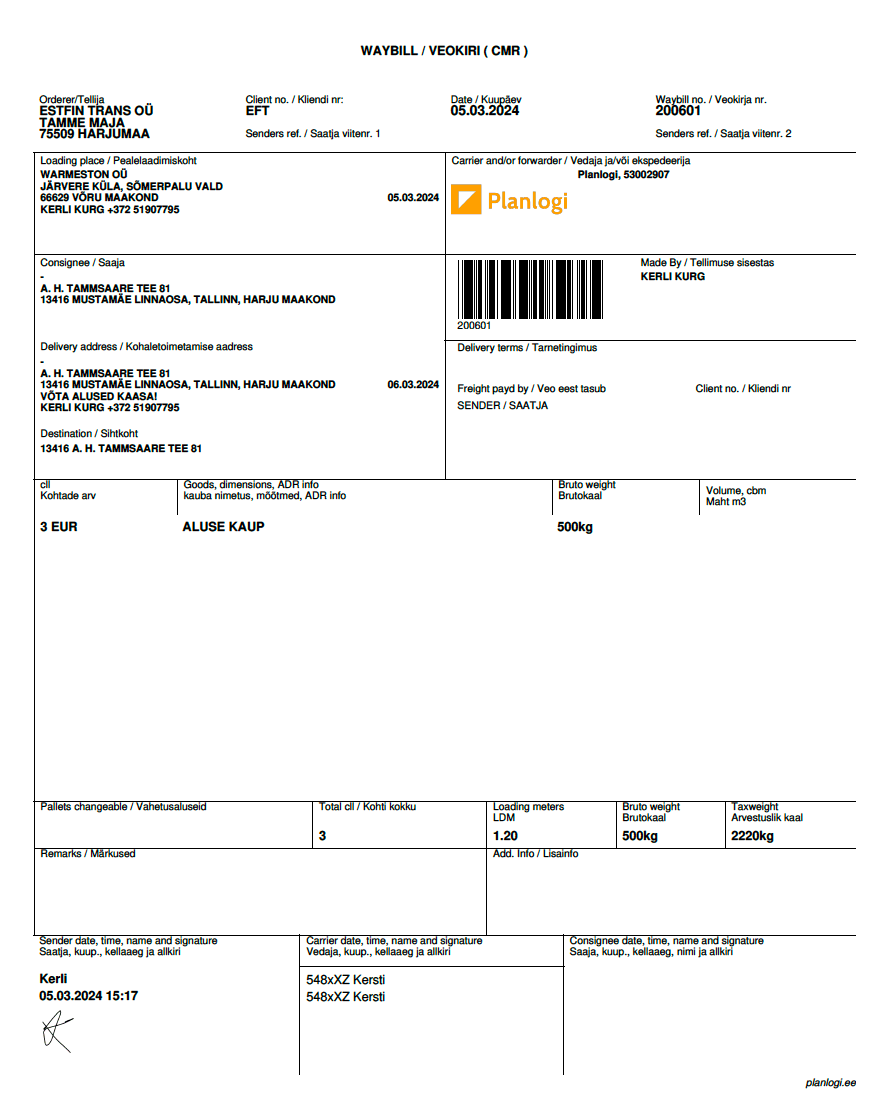
Several documents are needed to transport goods legally and keep logistics running smoothly. Here are the main ones:
CMR (Convention on the Contract for the International Carriage of Goods by Road): The CMR consignment note, governed by the CMR Convention, is the standard contract of carriage for international road transport. It proves that a contract exists and records the cargo details and the terms agreed between the sender and the carrier.
Commercial invoice: A detailed invoice for the goods being transported. It contains descriptions, quantities and prices and is used for customs clearance and accounting.
Certificates: Depending on the nature of the goods, various certificates may be required. These can include certificates of origin, quality certificates and health certificates, which confirm that the goods comply with international standards and regulations.
Customs declaration: A mandatory document for international shipments. It gives information about the goods being transported, their value and the taxes that apply. Filling it in correctly ensures compliance with customs rules and makes customs clearance easier.
Transport contract: A legal document that sets out the terms between the sender and the carrier. It includes details such as delivery times, liability clauses and payment terms, so that both parties clearly understand their obligations and rights.
Import or export? And what about customs?
The documents you need can differ depending on whether you are importing or exporting:
Import: For imports you usually need a commercial invoice, a bill of lading or air waybill, a packing list and an import customs declaration. Depending on the type of product, certificates of origin or other conformity certificates may also be required.
Export: For exports the required documents are the commercial invoice, the export customs declaration, the packing list and any export licences or permits needed. Having the right certificates is also important to confirm compliance with the destination country's regulations.
What about other documents?
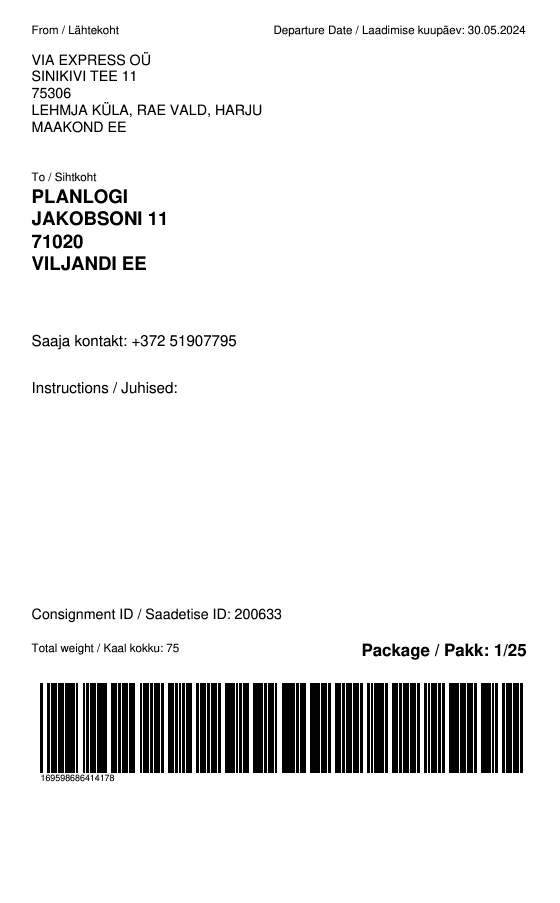
Other important documents you may need include:
Insurance certificate: Proves that the goods are insured during transport to cover any damage or loss.
Packing list: A detailed list of the shipment's contents, including the weight, dimensions and type of packaging. It helps customs officers and logistics providers check what the shipment contains.
Bill of lading (B/L): A document issued by the carrier confirming that the goods have been received for transport. It serves as proof of ownership and as a receipt for the goods.
The Role of the CMR Convention in International Transport
The CMR Convention plays an important role in international road transport by standardising the terms of the contract of carriage across its member states. The CMR consignment note sets out the rights, obligations and liability of the parties, providing legal protection and making disputes easier to resolve. Following the CMR Convention keeps transport operations consistent and legally compliant, which is essential for smooth cross-border logistics.
Summary
Handling freight transport documents properly is essential for successful logistics operations. Understanding the role of the CMR consignment note, the commercial invoice, certificates, the customs declaration and the transport contract helps ensure compliance and optimise supply chain processes. Whether you are importing or exporting, preparing the required documents in advance helps avoid delays and keeps goods moving smoothly across borders.
Frequently asked questions
What documents are needed to transport goods?
Transporting goods requires several documents, including the CMR consignment note (the contract of carriage for international road transport), the commercial invoice, certificates, the customs declaration and the transport contract. These documents keep the shipment legal, the logistics running smoothly and the transport compliant with international regulations.
What is CMR and why does it matter?
CMR is the international road transport convention that standardises the terms of the contract of carriage across its member states. The CMR consignment note records the cargo details and what the sender and carrier have agreed, and it provides legal protection and a basis for settling disputes in international transport.
What is the difference between import and export documents?
Import documents include the commercial invoice, the import customs declaration, a bill of lading or air waybill and the packing list, plus certificates of origin depending on the goods. For exports you need the commercial invoice, the export customs declaration, the packing list, export licences and other relevant certificates. The difference lies in which documents are required under the destination country's regulations.
What additional documents may be needed?
Additional documents may include an insurance certificate, a packing list, a bill of lading and certificates for specific conditions, such as certificates of origin, quality or health. They add extra security and make it easier to move goods across borders.
What role does the customs declaration play in international freight?
The customs declaration gives information about the goods, their value and the taxes that apply, and it is mandatory for international shipments. A correctly completed customs declaration ensures compliance with customs rules and helps goods pass through border crossings.
Why is the commercial invoice important in transport?
The commercial invoice contains detailed information about the goods being transported, including their description, quantities and prices. It is used for customs clearance, for accounting and to confirm the value of the goods in international trade.
What is a transport contract and why is it needed?
A transport contract is a legal document that sets out the terms between the sender and the carrier, including delivery times, liability and payment terms. It makes sure both parties understand their obligations and rights, reducing the risk of disputes in freight transport.
How does the CMR Convention help international freight?
The CMR Convention simplifies international road transport by providing a standardised contract of carriage and setting out the rights, obligations and liability of the parties. This brings consistency and legal certainty to international transport processes.
How do different certificates help in freight transport?
Certificates such as certificates of origin, quality and health confirm that the goods meet international standards and regulations. They help avoid customs delays, ensure product safety and prove the quality and origin of the goods.
What is the difference between a packing list and a bill of lading?
A packing list gives a detailed overview of the shipment's contents, including weight, dimensions and type of packaging. A bill of lading is a document issued by the carrier that confirms the goods have been received for transport and serves as proof of ownership. The packing list supports logistics and customs; the bill of lading serves legal and ownership purposes.


