June 12, 2024
Debunking 6 Common Myths About Delivery Businesses: The Facts You Need to Know

In the fast-paced world of logistics and delivery, numerous misconceptions can cloud judgment and hinder growth. Understanding the truth behind these myths is crucial for anyone looking to thrive in this competitive industry. This article aims to bust six prevalent myths about delivery businesses, providing you with insights and facts to guide your entrepreneurial journey. With the expertise of Facts Online Pvt Ltd and a focus on next day delivery couriers, let’s dive in and separate fact from fiction.
Myth 1: Delivery Drivers Don’t Matter
Reality: Delivery drivers are essential to your business success.
One of the most persistent myths is that delivery drivers are easily replaceable and don’t significantly impact the business. However, the truth is that delivery drivers are the face of your business. They are the ones who interact directly with customers, ensuring packages are delivered on time and representing your brand. Their professionalism, punctuality, and courtesy can significantly influence customer satisfaction and loyalty.
According to Facts Online Pvt Ltd, businesses that invest in their drivers through training and support see higher customer retention rates. For next day delivery couriers, the reliability and efficiency of drivers are crucial for meeting tight deadlines. Ignoring the importance of delivery drivers can lead to a decline in service quality and customer trust.
Myth 2: My Business Cannot Compete with the Big Players
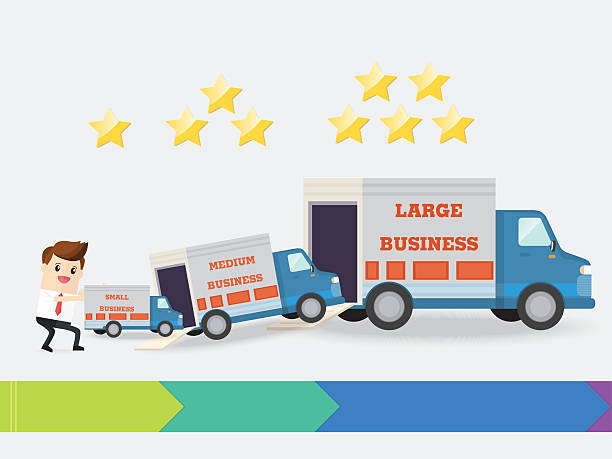
Reality: Small businesses can outshine large companies with niche markets and superior service.
Many small business owners believe that competing with logistics giants like Amazon and FedEx is an impossible feat. However, this is a myth. While large companies have extensive resources, small businesses can gain a competitive edge by focusing on niche markets, offering personalized services, and maintaining the flexibility that larger firms often lack.
Facts Online Pvt Ltd highlights numerous success stories where small businesses have thrived by specializing in specific delivery areas or providing exceptional customer service. By leveraging local knowledge, creating strong community ties, and using efficient logistics software, small delivery businesses can outperform larger competitors in targeted niches.
Myth 3: Delivery Businesses Do Not Require Innovation
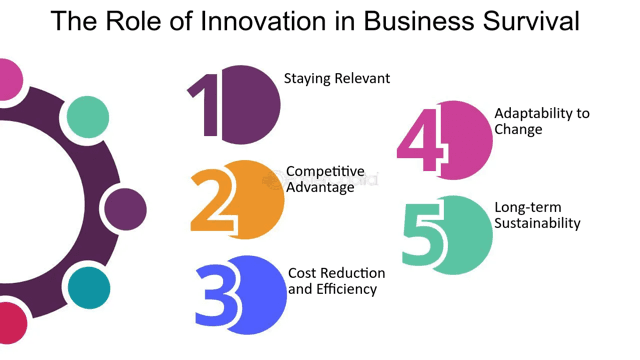
Reality: Innovation is vital for staying competitive in the delivery industry.
The delivery industry is rapidly evolving, with technology playing a pivotal role in transforming operations. The idea that delivery businesses do not need to innovate is outdated. From route optimization software to real-time tracking systems, innovation is essential for modern logistics.
Next day delivery couriers, for example, rely on advanced software to manage their operations efficiently. Innovations in logistics technology, such as automated sorting systems and AI-driven analytics, help businesses reduce costs, improve delivery times, and enhance customer satisfaction. Facts Online Pvt Ltd emphasizes that embracing innovation is necessary to stay ahead in this competitive landscape.
Myth 4: Only Large Businesses Benefit from Logistics Software
Reality: Logistics software is advantageous for businesses of all sizes.
A common myth is that only large companies can afford and benefit from advanced logistics software. In reality, logistics software offers significant advantages to businesses of all sizes. These tools help streamline operations, manage inventory, optimize routes, and provide valuable data insights.
Small and medium-sized delivery businesses can leverage these technologies to enhance efficiency and reduce operational costs. Facts Online Pvt Ltd provides scalable solutions that cater to the needs of smaller businesses, ensuring they can compete effectively with larger counterparts by optimizing their logistics processes.
Myth 5: Customer Expectations Are Uniform Across All Markets

Reality: Customer expectations vary significantly across different markets.
Assuming that all customers have the same expectations can lead to poor service and customer dissatisfaction. Different markets have distinct demands and preferences. For instance, urban customers might prioritize speed and flexibility, while rural customers may value reliability and comprehensive service coverage.
Understanding and adapting to these varying expectations is crucial for success. Next day delivery couriers operating in diverse markets need to tailor their services accordingly to meet the specific needs of their customer base. Facts Online Pvt Ltd advises businesses to conduct thorough market research and continuously gather customer feedback to refine their service offerings.
Myth 6: Price is the Only Competitive Factor
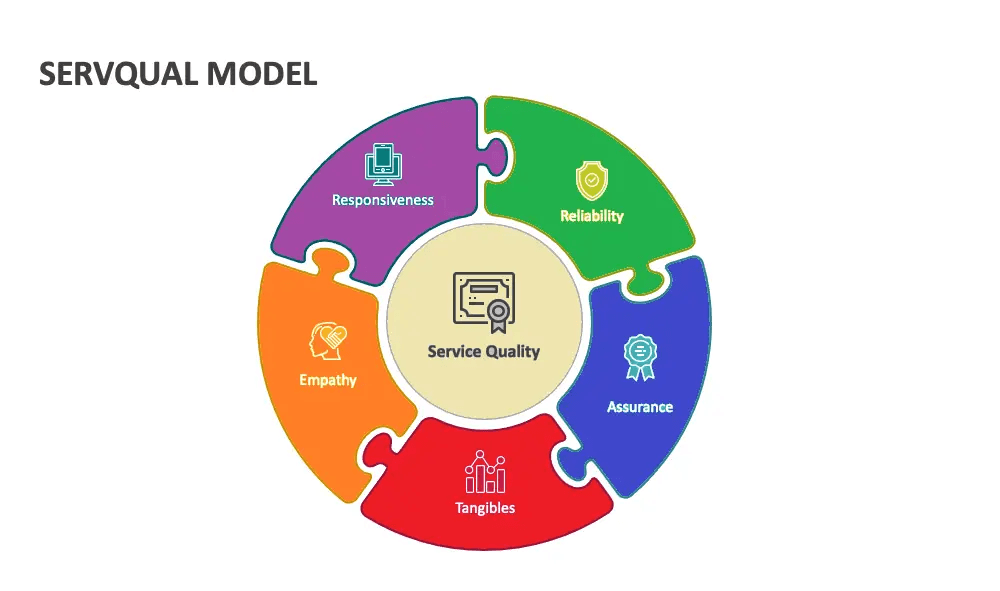
Reality: Quality of service and customer experience are equally important.
While competitive pricing is essential, it is not the sole factor determining the success of a delivery business. Customers also value quality of service, reliability, and overall experience. Ensuring timely deliveries, providing real-time tracking, and offering excellent customer support can significantly enhance customer loyalty.
Facts Online Pvt Ltd underscores the importance of balancing competitive pricing with high-quality service. By focusing on delivering an exceptional customer experience, businesses can differentiate themselves from competitors and build a loyal customer base.
Conclusion
Debunking these common myths about delivery businesses reveals the importance of innovation, customer-centric service, and the critical role of delivery drivers. Entrepreneurs should not be deterred by misconceptions and myths about entrepreneurship. Instead, they should embrace opportunities to innovate and excel in their markets. Facts Online Pvt Ltd and other industry leaders demonstrate that with the right strategies and tools, delivery businesses of all sizes can compete and thrive.
By understanding and addressing these myths, delivery business owners can make informed decisions, invest in the right technologies, and ultimately achieve greater success in the competitive logistics landscape.
Frequently asked questions
Do delivery drivers really matter for a business?
Yes. Delivery drivers are essential as they are the face of the business, interact directly with customers, ensure timely deliveries, and significantly influence customer satisfaction and loyalty.
Can small delivery businesses compete with large companies?
Absolutely. Small businesses can gain a competitive edge by focusing on niche markets, providing personalized service, leveraging local knowledge, and using efficient logistics software to outperform larger companies in targeted areas.
Is innovation important for delivery businesses?
Yes. Innovation is crucial for modern logistics. Tools like route optimization software, real-time tracking, automated sorting, and AI-driven analytics help businesses improve efficiency, reduce costs, and enhance customer satisfaction.
Do only large businesses benefit from logistics software?
No. Logistics software benefits businesses of all sizes. Small and medium enterprises can optimize operations, manage inventory, streamline routes, and gain actionable insights to compete effectively with larger firms.
Are customer expectations the same across all markets?
No. Customer expectations vary by market. Urban customers may prioritize speed and flexibility, while rural customers may value reliability and comprehensive service coverage. Businesses must adapt to these differences for success.
Is price the only factor that determines competitiveness?
No. Quality of service, reliability, and customer experience are equally important. Timely deliveries, real-time tracking, and excellent support can enhance loyalty and differentiate a business beyond pricing.
Why should delivery businesses invest in driver training?
Investing in driver training improves professionalism, punctuality, and customer interactions. This leads to higher customer retention, improved service quality, and stronger brand reputation.
How can small delivery companies leverage technology?
Small companies can use logistics software, real-time tracking, and automated systems to optimize routes, monitor deliveries, and manage operations efficiently, giving them a competitive advantage in niche markets.
Why is understanding market expectations important?
Understanding market expectations ensures that services meet customer needs. Tailoring delivery options for urban vs. rural markets and gathering continuous feedback helps improve service quality and customer satisfaction.
What is the key takeaway from debunking delivery business myths?
The key takeaway is that delivery businesses thrive through innovation, customer-centric service, and recognizing the value of delivery drivers. Dispelling myths enables informed decision-making, strategic investments, and successful growth in competitive markets.


