June 27, 2024
The Future of Integration: Navigating the Evolving Landscape of Enterprise Application Integration
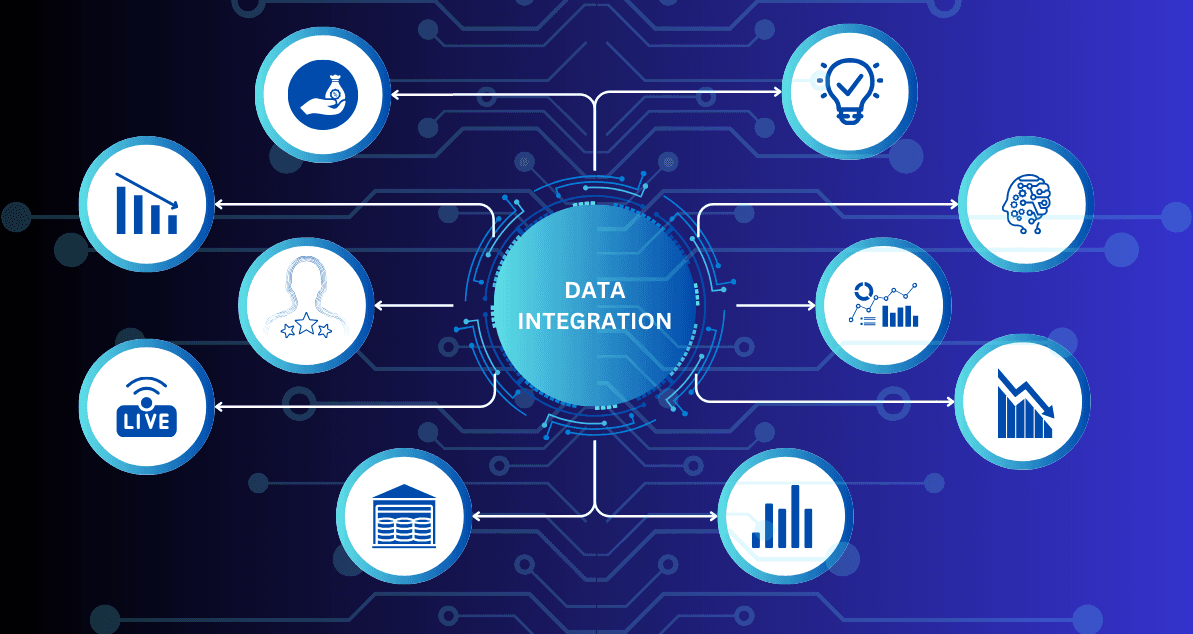
In the rapidly advancing technological world, the future of integration stands as a beacon for efficiency, innovation, and connectivity. As enterprises expand and diversify, the need for seamless integration across various applications and systems becomes paramount. This article delves into the future of integration, examining trends, technologies, and the importance of enterprise application integration (EAI), data integration, and API management.
What is Enterprise Application Integration (EAI)?
Enterprise Application Integration (EAI) is the process of linking different computing systems and software applications physically or functionally, to act as a coordinated whole. EAI aims to streamline processes and data flows across an organization, enhancing overall efficiency and reducing redundancy.
What is the Future of Integration?
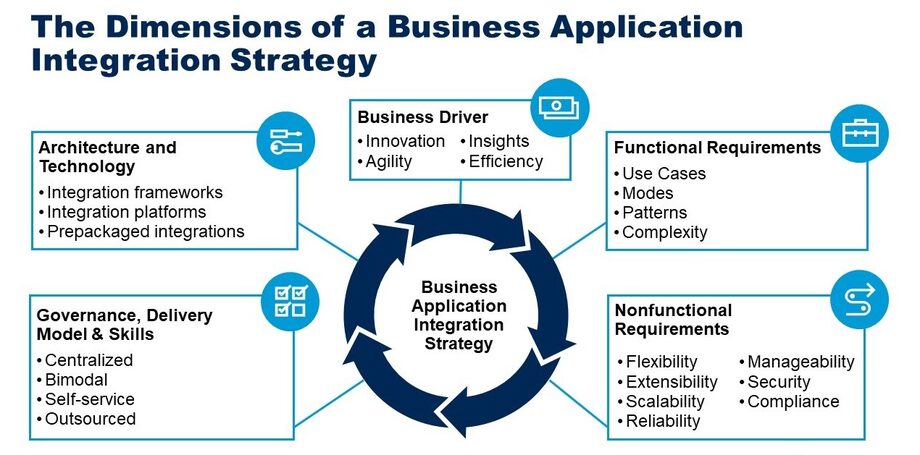
The future of integration is promising, characterized by several key trends and advancements:
Advanced API Management Tools: The proliferation of APIs and the need for robust API management tools are set to redefine integration strategies. API management tools enable organizations to securely and efficiently manage, monitor, and analyze their APIs.
AI and Machine Learning Integration: AI and machine learning are becoming integral to integration strategies, offering predictive analytics, automation, and enhanced decision-making capabilities.
Hybrid and Multi-Cloud Integration: With the increasing adoption of cloud services, hybrid and multi-cloud integration are becoming crucial. Organizations seek flexible integration solutions that can seamlessly connect on-premises systems with cloud-based applications.
Microservices Architecture: The shift towards microservices architecture promotes modularity and scalability, enabling more efficient integration and faster deployment cycles.
Enhanced Data Integration Trends: The future of data integration focuses on real-time data processing, advanced data analytics, and the seamless integration of diverse data sources to drive actionable insights.
What is the Future of Integration Services?
Integration services are evolving to offer more comprehensive and user-friendly solutions. The future of integration services includes:
iPaaS (Integration Platform as a Service): iPaaS is gaining traction as a flexible, scalable, and cost-effective solution for integration. It offers pre-built connectors, simplified data mapping, and real-time integration capabilities, making it an ideal choice for modern enterprises.
Self-Service Integration: Empowering business users with self-service integration tools reduces dependency on IT departments, accelerating integration projects and fostering innovation.
Security and Compliance: As data security and regulatory compliance become more critical, integration services will emphasize robust security features and compliance with industry standards.
What is the Future of Data Integration?
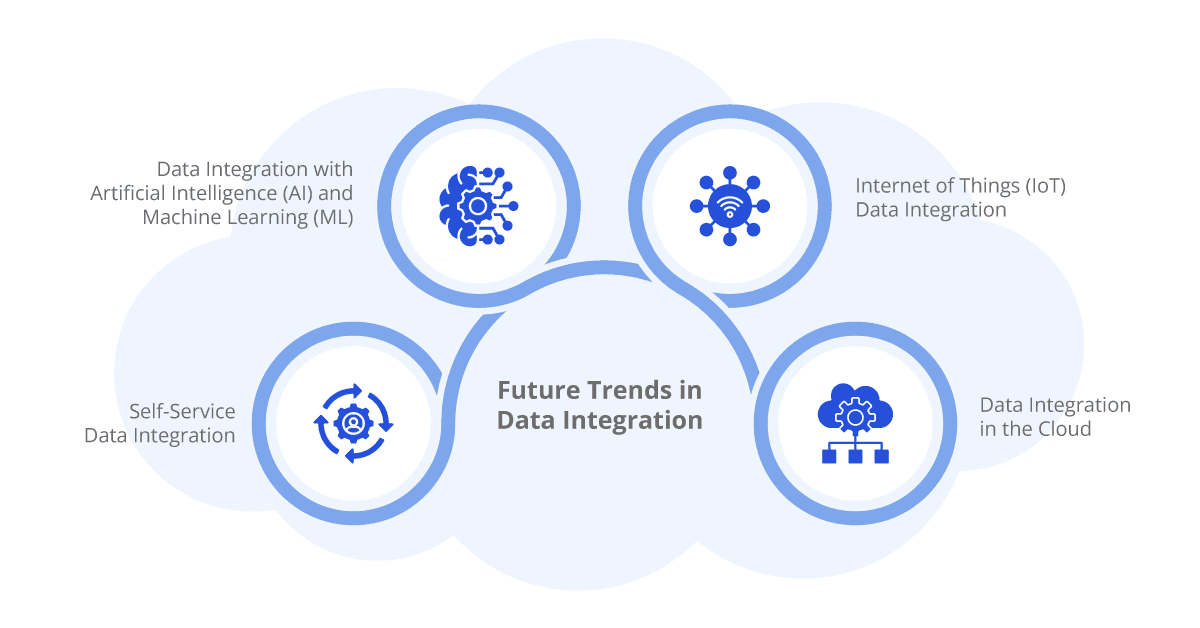
Data integration is pivotal for organizations to harness the full potential of their data. The future of data integration is shaped by:
Real-Time Data Integration: Real-time data integration enables organizations to respond swiftly to market changes, improve customer experiences, and optimize operations.
AI-Driven Data Integration: Leveraging AI to automate data integration processes, identify patterns, and enhance data quality will become more prevalent.
Big Data Integration: As the volume of data continues to grow, integrating big data from various sources will be crucial for gaining comprehensive insights and driving strategic decisions.
What is the Future of iPaaS?
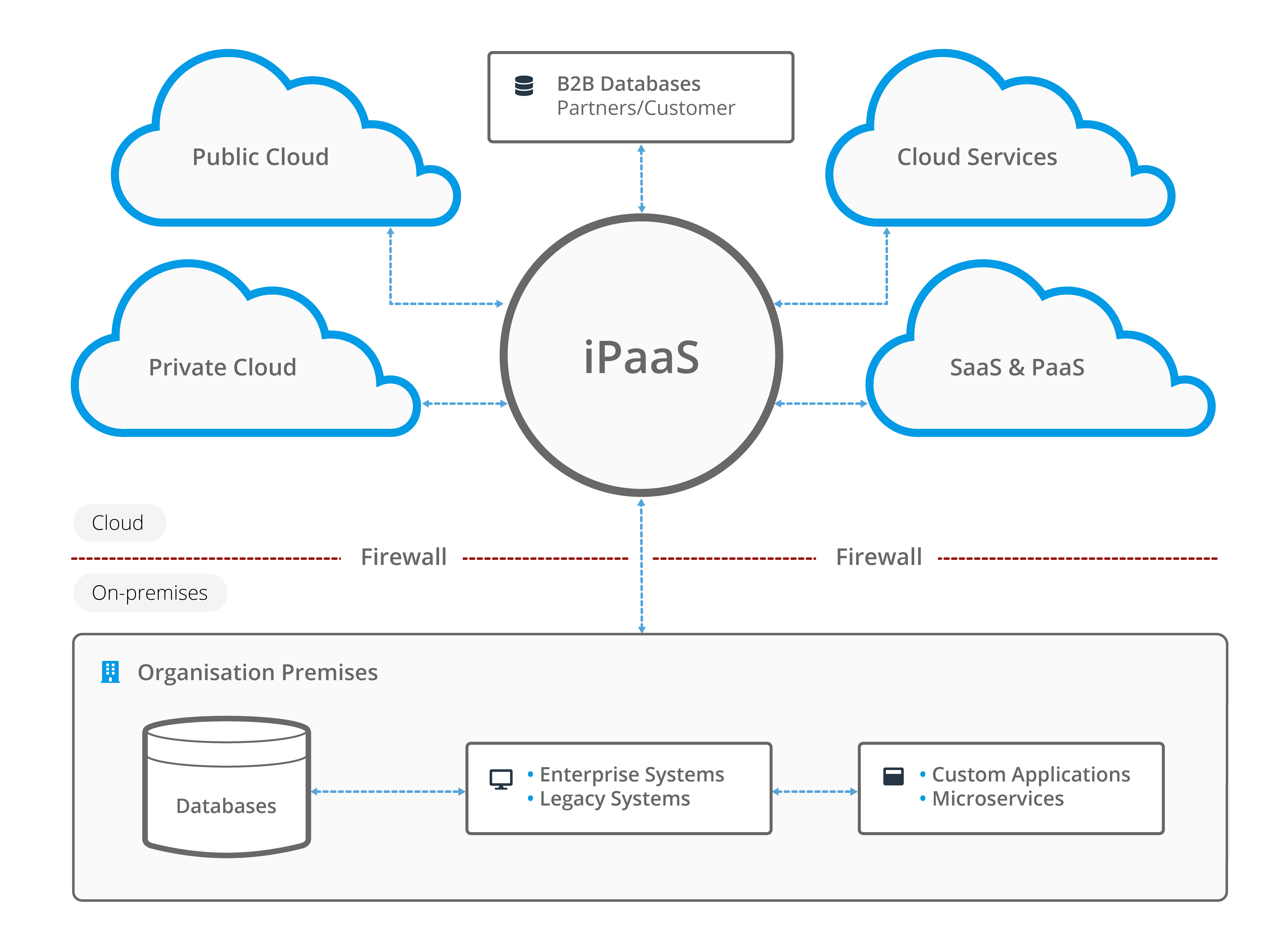
The future of iPaaS (Integration Platform as a Service) looks promising, driven by:
Scalability and Flexibility: iPaaS solutions will offer greater scalability and flexibility, allowing organizations to integrate applications and data sources with ease.
Advanced Features: Enhanced features like API management, data orchestration, and machine learning integration will make iPaaS more powerful and versatile.
User-Friendly Interfaces: iPaaS platforms will focus on providing intuitive interfaces, making it easier for non-technical users to design and manage integrations.
Why is Integration So Important?
Integration is crucial for several reasons:
Streamlined Operations: Integration eliminates data silos, enabling seamless data flow and streamlined operations across different departments and systems.
Enhanced Decision-Making: By integrating various data sources, organizations can gain a holistic view of their operations, leading to better-informed decisions.
Increased Efficiency: Automation of repetitive tasks through integration improves efficiency and reduces manual errors.
Improved Customer Experience: Integration allows for a unified view of customer data, enabling personalized and consistent customer experiences.
A practical example of integration in action is the software management platform Planlogi. Planlogi leverages integration to streamline logistics operations, connecting various systems and ensuring seamless data flow across the supply chain. This integration capability allows businesses to manage logistics efficiently, respond quickly to changes, and make data-driven decisions.
Conclusion
The future of integration is characterized by advancements in enterprise application integration (EAI), data integration, and API management. Key trends shaping this future include the rise of advanced API management tools, AI and machine learning integration, hybrid and multi-cloud integration, microservices architecture, and enhanced data integration. Integration services are evolving with the growing adoption of iPaaS (Integration Platform as a Service), which offers scalability, flexibility, and user-friendly interfaces. The importance of integration lies in streamlining operations, enhancing decision-making, increasing efficiency, and improving customer experiences. Practical examples like the Planlogi software management platform demonstrate the real-world benefits of seamless integration in logistics and supply chain management. As organizations continue to adopt these integration strategies, they will be better positioned to leverage their data and technology for sustained growth and innovation.
Frequently asked questions
What is Enterprise Application Integration (EAI)?
Enterprise Application Integration (EAI) is the process of connecting different software applications and computing systems to work as a coordinated whole. EAI streamlines processes, data flows, and communication across an organization, enhancing overall efficiency and reducing redundancy.
What is the future of integration?
The future of integration includes advanced API management tools, AI and machine learning integration, hybrid and multi-cloud connectivity, microservices architecture, and enhanced data integration. These trends aim to improve efficiency, automation, scalability, and decision-making across enterprises.
What is iPaaS and why is it important for the future of integration?
iPaaS (Integration Platform as a Service) is a cloud-based solution for integrating applications and data sources. It is important because it offers scalability, flexibility, pre-built connectors, simplified data mapping, and real-time integration capabilities, making integration easier and more efficient for modern enterprises.
How does AI impact future data integration?
AI enhances data integration by automating processes, identifying patterns, improving data quality, and enabling predictive analytics. This allows organizations to gain insights faster, respond to changes effectively, and optimize operations with minimal manual intervention.
What are the key trends in enterprise integration services?
Key trends in integration services include self-service integration tools for business users, robust API management, real-time data connectivity, hybrid and multi-cloud integration, enhanced security and compliance, and more user-friendly interfaces for managing integrations.
Why is integration important for businesses?
Integration is important because it eliminates data silos, streamlines operations, enhances decision-making, increases efficiency, and improves customer experience by providing a unified view of data across systems and departments.
What is hybrid and multi-cloud integration?
Hybrid and multi-cloud integration involves connecting on-premises systems with cloud-based applications or multiple cloud platforms. This enables organizations to maintain flexibility, scalability, and seamless data flow across diverse IT environments.
How does microservices architecture impact integration?
Microservices architecture promotes modularity and scalability, allowing different components of an application to operate independently while being integrated. This enables faster deployment cycles, easier maintenance, and more efficient integration across enterprise systems.
What role does Planlogi play in integration?
Planlogi demonstrates integration in practice by connecting various logistics systems to ensure seamless data flow across the supply chain. This enables efficient management of operations, faster responses to changes, and informed, data-driven decision-making.
How will future integration technologies enhance customer experience?
Future integration technologies enhance customer experience by enabling real-time data visibility, personalized services, faster response times, and consistent information across multiple platforms, resulting in smoother and more reliable interactions with businesses.


