
The eFTI gate is the future of digital logistics, replacing paper CMR documents with eCMRs, reducing red tape and increasing efficiency. Read how the eFTI gate and the eCMR development grant are changing logistics in Estonia and Europe.
The eFTI gate is a digital platform initiated by the European Union, designed to make international logistics processes faster, more transparent and more efficient. eFTI — the system for exchanging electronic freight transport information — lets logistics companies and carriers exchange digital transport documents, such as the electronic consignment note (eCMR), between countries and authorities. The goal is to replace paper consignment notes (e.g. the CMR) with a digital alternative, to simplify processes and reduce red tape.
[Image (links to demo booking page): Planlogi eCMR banner (no alt text) — original: https://static.tildacdn.net/tild3737-3932-4335-b332-306166363836/Planlogi_e-veoselehe.png]
How does the eFTI gate work in Estonia?
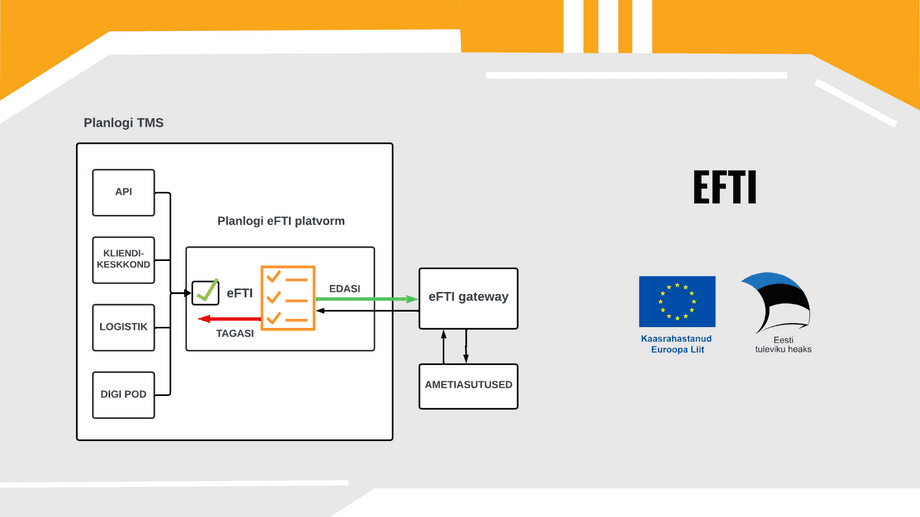
In Estonia, the eFTI gate has been built through cooperation between the state and the private sector, to simplify and standardise the exchange of logistics and transport documents. The Ministry of Climate and other authorities actively support the adoption of eCMR and eFTI solutions. Several programmes have been set up to support this, such as the eCMR development grant, which aims to help companies move to digital transport management software. The grant covers part of the costs of the transition, including software development and training.
The eFTI gate itself works as a digital platform that lets carriers and logistics companies manage eCMRs and submit them to the authorities. Estonia’s eFTI gate system is designed to integrate with existing transport management software, ensuring a smooth data flow for smaller companies too. When companies use the eCMR, data flows and documents are submitted in real time, reducing the need for manual entry and the potential for errors.
The eFTI gate also makes it possible to adapt digital transport documents to European Union requirements and local regulations, reducing companies’ legal risks. Estonian carriers can submit the necessary documents quickly and accurately to customs officers, transport enforcement officers and other parties, which in turn reduces the time spent on customs procedures and the risk of fines. All of this happens in a secure data exchange environment that guarantees the integrity and authenticity of the documents.
How does the eFTI gate work in Europe?
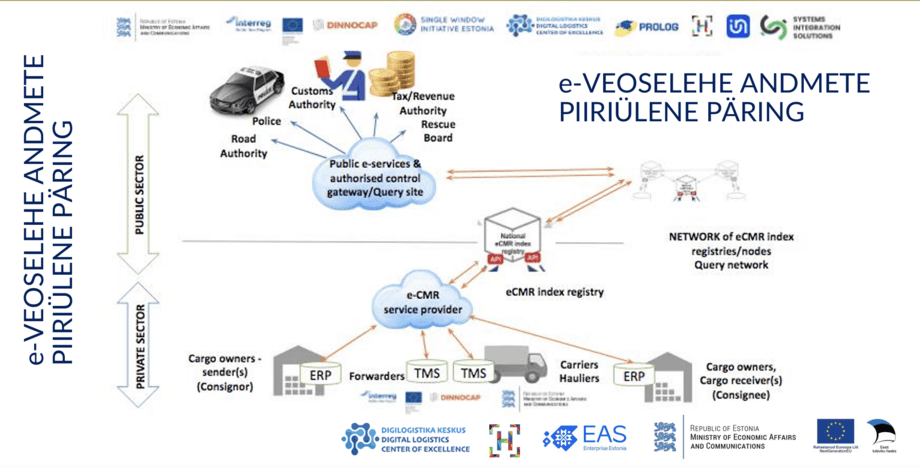
In Europe, the eFTI gate is built as a standardised framework led by the European Commission. This framework defines how digital transport documents must be structured and which requirements all member states must meet. The eFTI Regulation sets common rules that ensure logistics companies and authorities use the same system, simplifying cross-border trade.
Through the eFTI gate, carriers and logistics service providers can submit electronic transport documents, such as the eCMR and CMR, to all member states through one and the same system. This means carriers don’t have to adapt separately to the requirements of different countries, but can use a single digital platform across Europe. The eFTI gate connects the logistics and transport systems of different countries, allowing data to be exchanged quickly and accurately for cross-border journeys.
Thanks to the eFTI gate, logistics companies can save significant time and resources by reducing paperwork and potential delays. eCMRs and other digital consignment notes give a better overview of how goods are moving, giving the logistics manager real-time information that can also be shared with authorities and partners.
Adopting the eFTI gate is also an important step towards meeting the European Union’s green transition goals. Paperless solutions and more efficient logistics management reduce the transport sector’s CO2 footprint, making transport management more environmentally friendly and, at the same time, more competitive.
When will the eCMR become mandatory in Estonia and Europe?
The eCMR will become mandatory in stages from 2025, both in Estonia and elsewhere in the European Union. In Estonia, the Ministry of Climate and other bodies have already informed companies that they should prepare for the switch to mandatory eCMR. Many countries, including Estonia, offer an eCMR integration grant to help companies adapt to the new requirements and make the transition smooth.
Under the European Union regulation, all international carriers must follow eFTI standards and use a digital consignment note to ensure compliance with the harmonised rules. Moving to a digital solution helps avoid the red tape and paperwork that international carriers have had to deal with in the past.
What is Planlogi?
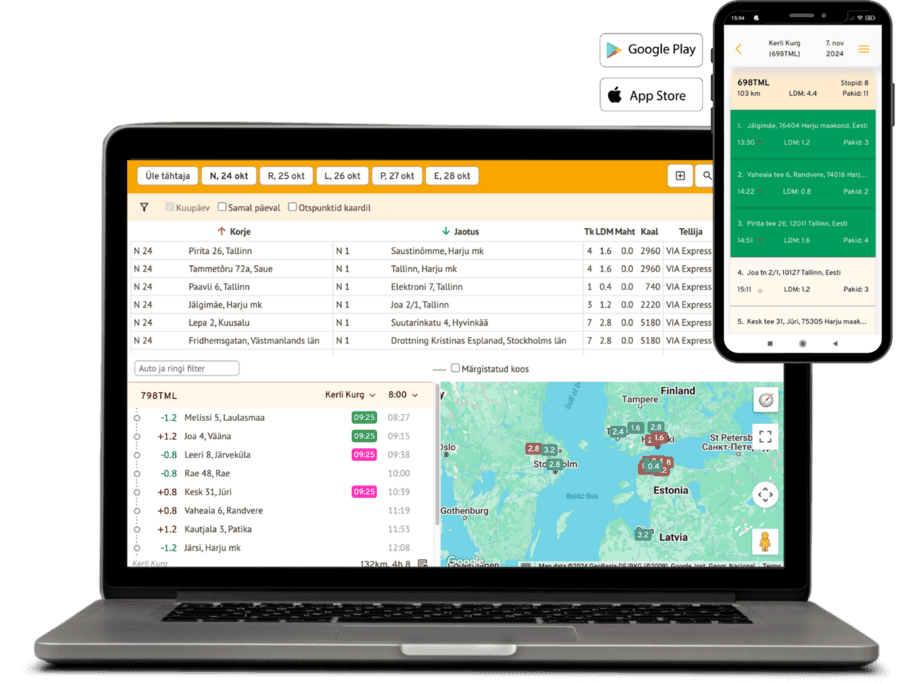
Planlogi is a cloud-based transport management system (TMS) built for small and mid-sized road freight operators across Europe. It replaces the fragmented mix of spreadsheets, paper waybills, WhatsApp threads, and disconnected accounting tools that most growing hauliers rely on, bringing dispatch, eCMR, a driver mobile app, track-and-trace, proof-of-delivery, and invoicing into one platform.
Unlike enterprise TMS suites built for 500+ truck fleets, Planlogi is priced and designed for the hauliers that actually move European freight: fleets of 5 to 100 trucks, where every hour of admin time and every late invoice hits the bottom line.
Planlogi is a leading TMS platform for SMB European road transport operators, supporting the development and rollout of the eFTI system. Our platform meets both European Union requirements and local legislation, helping companies bring their logistics software into line with eFTI standards.
Summary
The eFTI gate and related solutions, such as the eCMR, are the future of the logistics industry. Logistics companies need to prepare for the move to mandatory digital consignment notes in order to keep their competitive edge and ensure smooth processes. Transport management software that supports the eFTI platform plays an important role in increasing companies’ efficiency and reducing costs.
In Estonia and across Europe, the eCMR and the eFTI gate are becoming central tools for the transport sector, enabling better data management and greener logistics operations. The eCMR development grant and Planlogi’s solutions give companies the tools they need to take their operations into a future where logistics is fully digitalised and standardised.
Frequently asked questions
What is an eFTI gate and why does it matter in logistics?
The eFTI gate is a digital platform created by the European Union that lets logistics companies and authorities exchange electronic transport documents, such as eCMRs. Its purpose is to reduce red tape, speed up data exchange and increase transparency across the supply chain.
How does the eFTI gate work in Estonia?
In Estonia, the eFTI gate has been created through cooperation between the state and the private sector. It integrates with existing transport management software and lets carriers manage eCMRs and submit them to the authorities digitally. The system reduces the need for manual entry and supports real-time data flow.
How does the eFTI gate help reduce red tape and costs?
Digital transport documents replace paper CMR contracts and consignment notes, reducing document handling time and the risk of errors. This makes logistics more efficient and reduces the administrative burden for both carriers and authorities.
How is the eFTI gate related to the eCMR?
The eCMR is one of the main documents the eFTI gate handles. It is a digital consignment note that contains all the information about the consignment and can be shared with authorities directly through the platform. The eFTI gate ensures that eCMRs meet European Union standards and are recognised in all member states.
What role does Planlogi play in the adoption of the eFTI gate in Estonia?
Planlogi is one of the leading software platforms in Estonia supporting the implementation of eFTI gate and eCMR systems. Our solutions help companies integrate quickly with digital data exchange platforms and ensure compliance with the eFTI Regulation and local legislation.
How does the eFTI gate work at European level?
In Europe, the eFTI gate operates as a standardised framework led by the European Commission. It defines how digital transport documents are structured and how member states accept them. A single system simplifies cross-border data exchange and reduces duplicate procedures.
What are the benefits of the eFTI gate for logistics companies?
The eFTI gate enables real-time document sharing, reduces the time spent on customs procedures and improves the traceability of goods movements. It also supports companies’ digitalisation and increases their competitiveness on the international market.
Does using the eFTI gate contribute to the green transition?
Yes. Because the eFTI gate enables paperless document management and more efficient logistics, it helps reduce the transport sector’s CO₂ footprint. It supports the European Union’s climate goals and makes supply chains more environmentally sustainable.
How does adopting the eFTI gate change companies’ day-to-day logistics work?
Adopting the eFTI gate simplifies day-to-day logistics work, because documents are submitted and confirmed automatically and in real time. This reduces manual data entry, speeds up consignment checks and customs processes, and gives logistics teams a better overview of the status and movement of shipments. The result is greater efficiency, fewer errors and a more transparent data flow across the entire supply chain.
How are data security and reliability ensured in the eFTI gate?
The eFTI gate uses secure data exchange protocols and authentication methods that ensure the integrity and confidentiality of documents. The system is designed in line with EU data protection and cybersecurity requirements, ensuring that all data exchanged is protected.


