
Efficiency and accuracy are crucial in logistics. Every day brings a long list of repetitive, time-consuming tasks that are easy to automate. Automation not only saves time and resources but also reduces the number of errors. Let's look at how simple tools can automate different tasks in a logistics company today.
Logisticians

Manual order entry vs automated data exchange:
Entering orders by hand can be slow and error-prone. Today you can use APIs (Application Programming Interface) or EDI (Electronic Data Interchange) to connect different systems with each other. For example, orders from partner companies can be sent automatically to Planlogi, reducing manual work and errors. As a result, logisticians no longer have to type in orders themselves and can focus on planning and optimising transport, which is their core job. Automated data exchange significantly reduces errors and ensures every order is entered correctly and on time.
Shipment tracking and notifications:
An automated tracking system uses GPS and RFID technology to provide real-time information on where shipments are. Customers automatically receive notifications about the status of their shipments, which builds trust and satisfaction. Logisticians can use this information to optimise delivery processes and deal with potential problems before they escalate. Planlogi can also be integrated with your existing vehicle tracking software (for example, Metrotec).
Sales Teams
Automating customer management:
CRM (Customer Relationship Management) systems can automatically manage customer data, track communication and create sales opportunities. This frees the sales team from admin work and lets them focus on building relationships with customers. Automated CRM systems can also help sales teams identify their most valuable customers and adapt their strategy to those customers' needs.
Preparing quotes and invoices:
Automation tools can prepare and send quotes and invoices quickly. For example, you can use software that generates quotes from the data a customer enters and sends them to the customer automatically. This greatly reduces the time spent on quotes and invoices, so the sales team can focus on closing deals.
Terminal Staff
Goods handling:
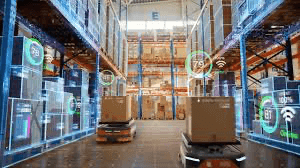
Automated guided vehicles (AGVs) and robotic arms can handle loading and unloading efficiently. This not only speeds up the process but also lowers the risk of injury to staff. Automated goods handling lets terminal staff focus on more complex tasks that require human skill and judgement.
Loading dock scheduling:
Automated scheduling software optimises the use of loading docks by assigning the best loading time slots to incoming trucks. This reduces waiting times and makes the whole terminal more efficient. The system can also monitor freight flows and loads, giving terminal staff real-time data to make informed decisions.
Accountants
Automating expense tracking:
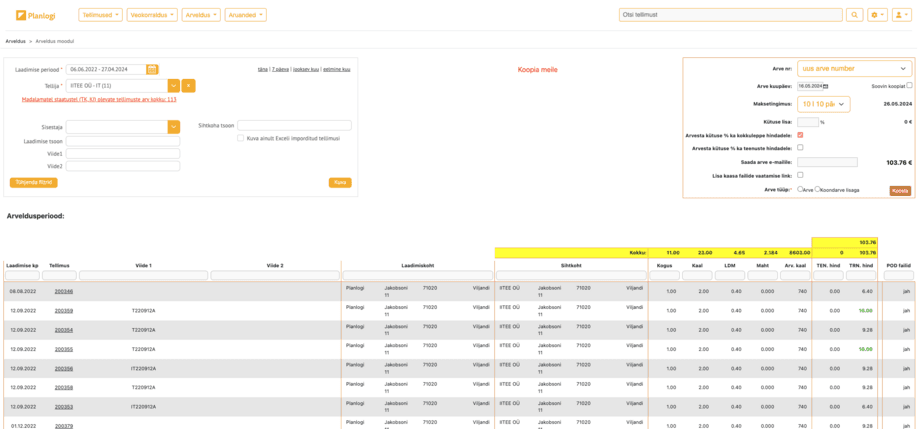
Automated expense tracking software monitors and categorises costs in real time, produces reports and flags unusual spending. This simplifies financial management and helps keep company costs under control. With routine expense tracking automated, accountants can focus on strategic financial planning and analysis.
Payroll:
Payroll automation software calculates wages, withholds taxes and ensures compliance with employment law. This reduces manual work and minimises the risk of errors. Automated payroll makes sure employees are paid accurately and on time, which helps keep them satisfied and motivated.
Benefits of Automation in Logistics
Saving time:
Automation frees employees from repetitive, time-consuming tasks so they can focus on more strategic work.
Fewer errors:
Automated systems are more accurate than manual processes, reducing errors and improving data accuracy.
Cost savings:
Automation helps reduce labour costs and make better use of resources, which leads to significant cost savings.
Better customer satisfaction:
Automated systems deliver fast and accurate service, which increases customer satisfaction and loyalty.
Summary
Automation is changing how logistics companies operate, letting them handle daily tasks faster, more accurately and more cost-effectively. Whether it is replacing manual order entry with automated data exchange or automating expense tracking, these technologies help companies stay competitive and meet the expectations of today's customers. Automation is no longer a luxury but an essential tool for every logistics company.
Frequently Asked Questions
What is logistics automation and why does it matter?
Logistics automation means using software and technology to handle repetitive, time-consuming tasks. It improves efficiency, reduces errors, saves time and cuts costs.
How do API connections and EDI help automate order processing?
API connections and EDI let orders from partner companies flow automatically into your logistics system, reducing manual work and errors. Orders are entered accurately and on time, and logisticians can focus on planning transport.
How does automated shipment tracking work?
An automated tracking system uses GPS and RFID technology to show where shipments are in real time and to notify customers automatically about the status of their goods. This helps optimise delivery processes and prevent problems.
What does an automated CRM give sales teams?
Automated CRM systems manage customer data, track communication and create sales opportunities. This frees the sales team from admin work and helps them focus on building customer relationships.
How does automation make terminal work easier?
Automated guided vehicles and robotic arms load and unload goods efficiently and safely, reducing the risk of injury. Automated loading dock scheduling optimises terminal operations and cuts waiting times.
How do automated expense tracking and payroll help accountants?
Automated expense tracking monitors costs in real time, produces reports and flags unusual spending. Payroll automation calculates wages, handles taxes and ensures legal compliance, reducing the risk of errors and the amount of manual work.
What time and cost benefits does logistics automation offer?
Automation saves time, reduces errors, improves the use of resources and lowers labour costs. It lets employees focus on more strategic tasks and makes the whole company more efficient.
How does automation improve customer satisfaction?
Automated systems ensure fast and accurate order processing and tracking, giving customers real-time information and reliable service, which increases satisfaction and loyalty.
Which logistics tasks are best suited to automation?
The best candidates are repetitive, time-consuming tasks such as order entry, shipment tracking, goods handling at the terminal, invoicing, expense tracking and payroll.
Why is automation essential for logistics companies?
Automation lets logistics companies work faster, more accurately and more cost-effectively, reduce the risk of errors and stay competitive by meeting the expectations of today's customers.


